Nvidia has once again delivered results that underscore the extraordinary scale of the artificial-intelligence infrastructure boom. The chipmaker reported fiscal second-quarter revenue of $96.2 billion, comfortably ahead of Wall Street expectations, while adjusted earnings also surpassed forecasts.
More importantly, Nvidia’s outlook points to another major jump in sales, with the company projecting $108 billion in revenue for its fiscal third quarter. The figures provide fresh evidence that demand for AI computing remains exceptionally strong, even as investors begin paying closer attention to rising costs and profitability.
1.Revenue Growth Continues to Accelerate
Nvidia’s latest numbers show how dramatically the company’s business has expanded. Revenue for the quarter ended July 26 reached $96.22 billion, representing an increase of 106% from the same period a year earlier and 18% from the previous quarter. Analysts had expected revenue of roughly $92.27 billion. Adjusted earnings came in at $2.22 per share, exceeding the approximately $2.09 forecast. The company’s ability to deliver another large earnings beat is particularly notable because expectations for Nvidia had already risen significantly ahead of the report.
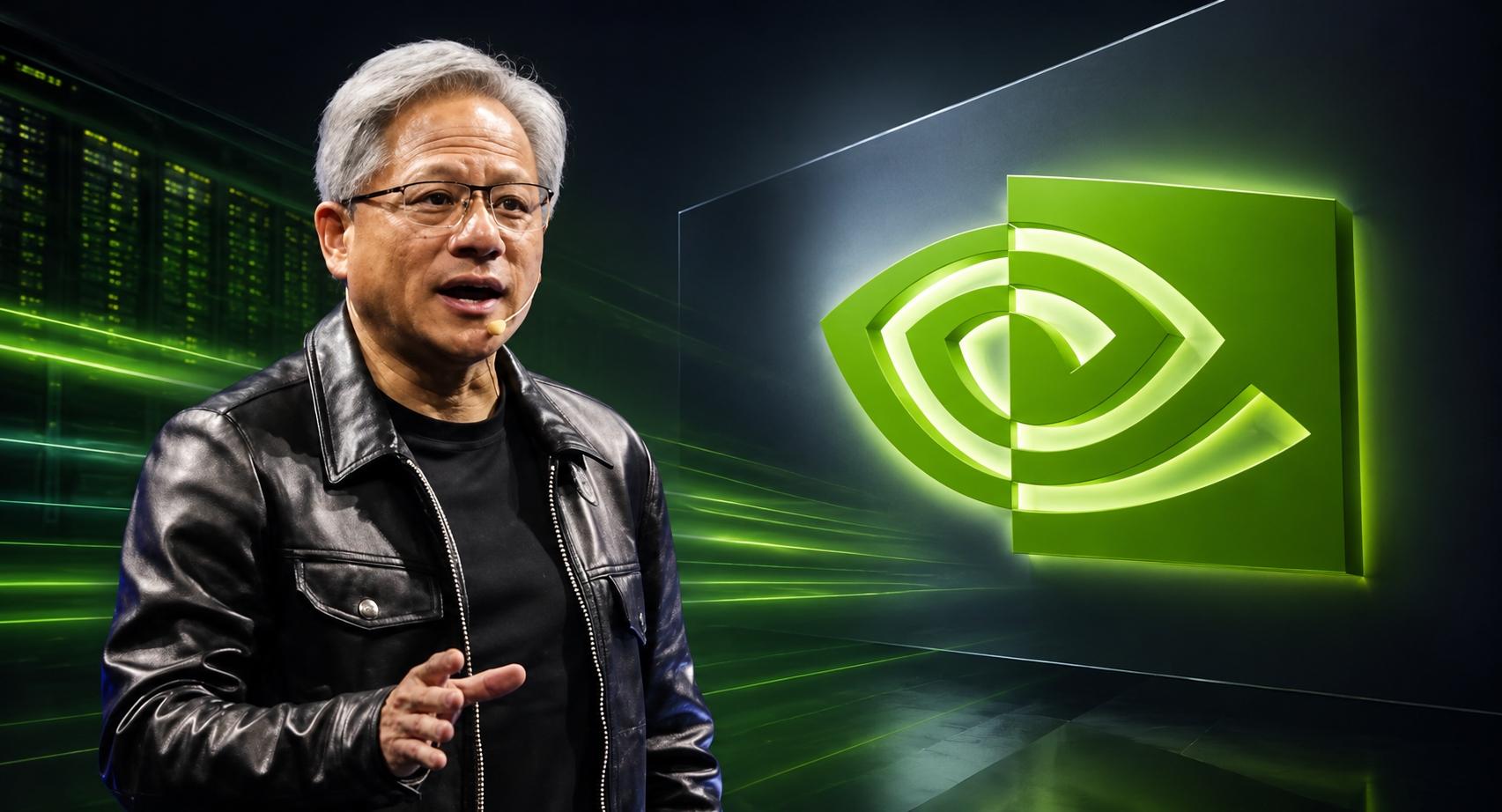
2.Data Center Business Remains the Main Growth Engine
The strongest part of Nvidia’s results came from its Data Center operation, which generated $89 billion during the quarter. That figure increased 117% from a year earlier and accounted for the overwhelming majority of Nvidia’s total revenue.
The performance reflects continued spending by cloud providers and other large technology companies seeking additional computing capacity for AI workloads. Nvidia’s accelerated-computing products have become a central component of this infrastructure buildout, allowing the company to benefit directly from the rapid expansion of generative AI and other computationally intensive applications.
3.$108 Billion Forecast Raises the Bar Again
Nvidia’s forward guidance may be even more significant than its latest earnings beat. For the fiscal third quarter, the company expects revenue of approximately $108 billion, with a possible variation of 2% in either direction. That compares with Wall Street expectations of roughly $103.9 billion. If Nvidia reaches the midpoint of its forecast, quarterly revenue would increase by more than $11 billion from the latest reported period. The company also said its outlook does not assume Data Center compute revenue from China, making the guidance particularly notable given the scale of the forecast.
4.AI Demand Is Expanding Beyond GPUs
The latest results also demonstrate that Nvidia’s opportunity is becoming broader than simply selling individual graphics processors. The company is increasingly positioning its technology as a complete computing platform that includes chips, networking, systems and software. Its next-generation Vera Rubin architecture is entering production, giving customers another path to increase AI computing capacity. Nvidia has also highlighted demand from AI laboratories and major cloud providers, suggesting that the company expects infrastructure investment to remain elevated as businesses move from experimentation toward larger-scale AI deployment.
5. Rising Costs Create a New Challenge
Despite the impressive growth, Nvidia’s report contained a potential warning sign for investors: margins are expected to narrow down over the coming months. The company reported a 75% gross margin for the second quarter but expects approximately 74% in the third quarter (plus or minus 50 basis points), with guidance pointing toward a temporary floor of 71%–72% in Q4. This compression is primarily driven by transition costs tied to ramp-up of the next-generation Vera Rubin platform and rapid spikes in high-bandwidth memory (HBM) and component costs. Even small changes in margins can have a major financial impact at Nvidia’s scale, making cost management a central focus for analysts.
6.Nvidia Faces Supply and Geopolitical Risks
Meeting demand could prove just as important as generating it. Nvidia has indicated that supply constraints remain a factor and that it is working with suppliers to secure memory, power and other infrastructure required for expansion. At the same time, restrictions affecting advanced semiconductor exports to China continue to create uncertainty around one of the world’s largest technology markets. Nvidia’s current guidance excludes Data Center compute revenue from China, which reduces the immediate impact on its forecast but also highlights the geopolitical challenges surrounding the global AI-chip industry.
7. Why Nvidia’s Results Matter for Markets
Nvidia’s earnings have become an important barometer for the tech sector, given its position at the center of the AI buildout. Strong demand indicates that major tech giants are continuing to pour capital into data centers and hardware infrastructure.
Beyond equity markets, the company’s performance influences broader investor risk appetite across alternative asset classes:
Digital Assets: Cryptocurrencies often move in tandem with high-beta tech sentiment. At the time of reporting, Bitcoin traded near $78,713, Ethereum stood around $2,489, and Solana was near $100.71.
Semiconductor & Cloud Ecosystem: Results directly shape market valuations across memory suppliers, foundry partners, and cloud service providers tied to AI infrastructure spending.
8. Investors Shift Focus to Sustainability of Growth
The central debate around Nvidia is no longer whether AI demand exists, but whether the company can maintain high growth while preserving profitability and generating long-term cash flow. Management projected approximately 70% revenue growth for the fiscal year ending in January 2028, reinforcing confidence that the infrastructure cycle remains strong.
However, several key variables could influence how much of that growth translates into bottom-line profits:
Supply Constraints: Securing sufficient advanced memory, chip packaging, and power infrastructure remains a gating factor for fulfillment.
Competitive Pressures & Custom Silicon: Major hyperscalers and rivals continue to develop in-house AI chips to reduce hardware dependencies.
Spending Durability: Long-term capital expenditures depend on whether end-users can monetize AI deployments effectively.
Conclusion
Nvidia’s fiscal second-quarter results delivered another powerful signal for the AI industry. Revenue reached $96.2 billion, beating expectations by several billion dollars, while Data Center sales climbed to $89 billion as demand for AI computing continued to accelerate.
The company then raised the stakes with a $108 billion revenue forecast for the next quarter. While the expected decline in gross margin and ongoing supply and geopolitical risks introduce uncertainty, the overall picture remains one of extraordinary expansion. Nvidia’s latest report suggests that the AI investment cycle is still generating enormous demand, but the next phase of the story will increasingly depend on how efficiently the company can turn that demand into sustainable profitability.
Disclaimer: This article is for informational and educational purposes only and does not constitute financial, investment, or trading advice. Financial metrics and market data reflect conditions at the time of reporting and are subject to change.