BitcoinWorld Vietnam’s Economy Surges, but HSBC Flags Rising Inflation Risks HSBC has issued a new assessment of Vietnam’s economy, highlighting a period of robustBitcoinWorld Vietnam’s Economy Surges, but HSBC Flags Rising Inflation Risks HSBC has issued a new assessment of Vietnam’s economy, highlighting a period of robust

Vietnam’s Economy Surges, but HSBC Flags Rising Inflation Risks

For feedback or concerns regarding this content, please contact us at crypto.news@mexc.com

BitcoinWorld

Vietnam’s Economy Surges, but HSBC Flags Rising Inflation Risks

HSBC has issued a new assessment of Vietnam’s economy, highlighting a period of robust expansion while simultaneously warning of mounting inflationary pressures. The report points to strong export performance and recovering domestic demand as key drivers of growth, but notes that these factors are also contributing to rising price levels that could test the central bank’s policy framework.

Growth Drivers and Trade Performance

Vietnam’s economy has benefited from a sustained recovery in global trade, with the country’s manufacturing sector, particularly electronics and textiles, seeing increased orders. Foreign direct investment (FDI) continues to flow into the country, attracted by its competitive labor costs and strategic position in global supply chains. The HSBC report underscores that this export-led growth has been a primary engine for the nation’s GDP expansion, which has consistently outperformed many regional peers.

Inflationary Pressures and Policy Challenges

Despite the positive growth narrative, HSBC’s analysis draws attention to the rising risks of inflation. Factors such as higher global commodity prices, a recovering domestic consumption market, and potential wage pressures are beginning to feed through to consumer prices. The report suggests that the State Bank of Vietnam (SBV) may need to consider a more cautious monetary policy stance to prevent the economy from overheating. This presents a delicate balancing act for policymakers, who must support growth while keeping inflation expectations anchored.

Market and Consumer Implications

For investors and businesses operating in Vietnam, the HSBC report serves as a critical reminder of the evolving risk landscape. While the immediate outlook remains positive, the prospect of tighter monetary conditions could impact borrowing costs and investment decisions. For Vietnamese consumers, rising inflation could erode purchasing power, particularly for lower-income households. The report’s findings are likely to influence market sentiment and could lead to adjustments in portfolio allocations towards Vietnamese assets.

Conclusion

HSBC’s analysis paints a picture of a dynamic Vietnamese economy at a potential inflection point. The strong growth trajectory is undeniable, but the emerging inflation risks demand close monitoring. The coming months will be crucial in determining whether the SBV can navigate these challenges successfully, maintaining the country’s economic momentum without allowing price stability to deteriorate. The report adds a layer of cautious realism to an otherwise optimistic outlook for one of Southeast Asia’s most vibrant economies.

FAQs

Q1: What is the main finding of the HSBC report on Vietnam?
A: The report highlights strong economic growth driven by exports and domestic demand, but warns of rising inflation risks that could prompt tighter monetary policy.

Q2: What factors are contributing to inflation in Vietnam?
A: Key factors include higher global commodity prices, recovering domestic consumption, and potential wage pressures.

Q3: How might this report affect investors in Vietnam?
A: The report suggests a potential shift towards tighter monetary policy, which could increase borrowing costs and influence investment decisions, prompting a more cautious approach to Vietnamese assets.

This post Vietnam’s Economy Surges, but HSBC Flags Rising Inflation Risks first appeared on BitcoinWorld.

Disclaimer: The articles reposted on this site are sourced from public platforms and are provided for informational purposes only. They do not necessarily reflect the views of MEXC. All rights remain with the original authors. If you believe any content infringes on third-party rights, please contact crypto.news@mexc.com for removal. MEXC makes no guarantees regarding the accuracy, completeness, or timeliness of the content and is not responsible for any actions taken based on the information provided. The content does not constitute financial, legal, or other professional advice, nor should it be considered a recommendation or endorsement by MEXC.

You May Also Like

UK crypto holders brace for FCA’s expanded regulatory reach
UK crypto holders brace for FCA’s expanded regulatory reach

The post UK crypto holders brace for FCA’s expanded regulatory reach appeared on BitcoinEthereumNews.com. British crypto holders may soon face a very different landscape as the Financial Conduct Authority (FCA) moves to expand its regulatory reach in the industry. A new consultation paper outlines how the watchdog intends to apply its rulebook to crypto firms, shaping everything from asset safeguarding to trading platform operation. According to the financial regulator, these proposals would translate into clearer protections for retail investors and stricter oversight of crypto firms. UK FCA plans Until now, UK crypto users mostly encountered the FCA through rules on promotions and anti-money laundering checks. The consultation paper goes much further. It proposes direct oversight of stablecoin issuers, custodians, and crypto-asset trading platforms (CATPs). For investors, that means the wallets, exchanges, and coins they rely on could soon be subject to the same governance and resilience standards as traditional financial institutions. The regulator has also clarified that firms need official authorization before serving customers. This condition should, in theory, reduce the risk of sudden platform failures or unclear accountability. David Geale, the FCA’s executive director of payments and digital finance, said the proposals are designed to strike a balance between innovation and protection. He explained: “We want to develop a sustainable and competitive crypto sector – balancing innovation, market integrity and trust.” Geale noted that while the rules will not eliminate investment risks, they will create consistent standards, helping consumers understand what to expect from registered firms. Why does this matter for crypto holders? The UK regulatory framework shift would provide safer custody of assets, better disclosure of risks, and clearer recourse if something goes wrong. However, the regulator was also frank in its submission, arguing that no rulebook can eliminate the volatility or inherent risks of holding digital assets. Instead, the focus is on ensuring that when consumers choose to invest, they do…
Share
BitcoinEthereumNews2025/09/17 23:52
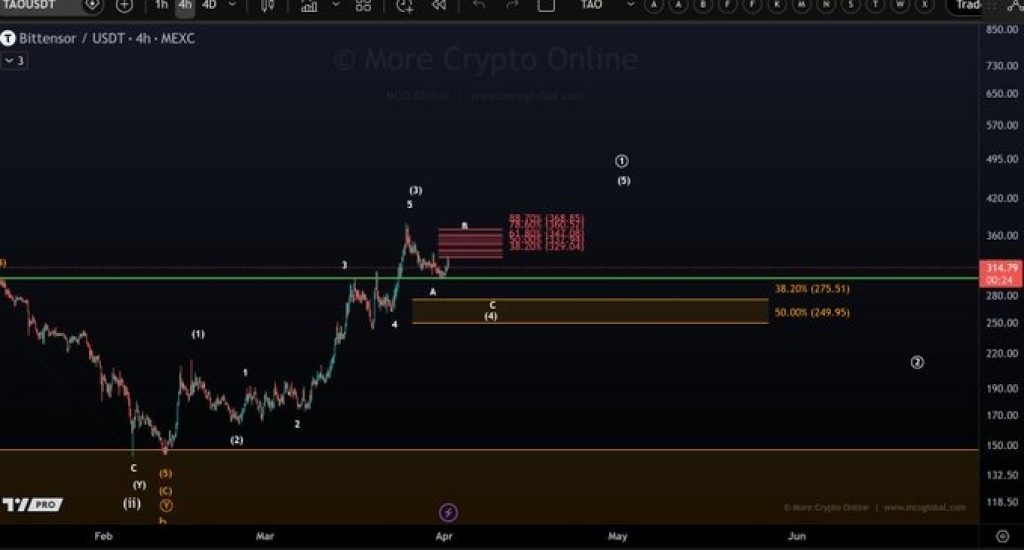
Thinking of Buying Bittensor? Watch These TAO Price Correction Levels First

Thinking of Buying Bittensor? Watch These TAO Price Correction Levels First

Bittensor (TAO) is navigating a rough patch as broader market conditions turn shaky. TAO just took a hit along with the rest of the AI token crowd, but if you look
Share
Captainaltcoin2026/04/03 00:30
China Nabs Another Huione Group Core Member in Cambodia Extradition

China Nabs Another Huione Group Core Member in Cambodia Extradition

The post China Nabs Another Huione Group Core Member in Cambodia Extradition appeared on BitcoinEthereumNews.com. Li Xiong, a senior figure at Huione Group, an
Share
BitcoinEthereumNews2026/04/02 17:54

Newbies:Deposit $100, Get $1,000

Newbies:Deposit $100, Get $1,000Newbies:Deposit $100, Get $1,000

Plus Up to a $50 Referral Bonus