

Former Anthropic Employee Warns AGI Could Fall Into Wrong Hands
A former Anthropic employee has resigned from the artificial intelligence company, warning that the United States could face significant risks if Artificial General Intelligence (AGI) falls into the hands of malicious actors. The resignation has sparked renewed debate across the technology sector about AI safety, governance, national security, and the race toward increasingly powerful AI systems. Information regarding the development was highlighted by the X account Coin Bureau and has fueled broader discussions surrounding the future of advanced artificial intelligence.
The rapidly evolving world of artificial intelligence has once again become the center of public debate following reports that a former employee of Anthropic resigned while expressing concerns about the future development of Artificial General Intelligence, commonly known as AGI.
The resignation has attracted significant attention throughout the technology industry after the individual reportedly warned that the United States and other nations could face serious consequences if highly advanced AI systems eventually fall into the hands of malicious individuals, criminal organizations, hostile governments, or other bad actors.
While concerns regarding artificial intelligence safety are not new, the warning has reignited discussions about the pace of AI development and whether governments, technology companies, and regulators are moving quickly enough to establish safeguards before the technology becomes substantially more powerful.
The issue has emerged at a critical moment for the artificial intelligence sector. Over the past several years, AI capabilities have advanced at an unprecedented rate, transforming industries ranging from healthcare and education to finance, software development, and scientific research.
As AI systems continue to improve, many experts have begun focusing on the concept of Artificial General Intelligence, a theoretical form of AI capable of performing intellectual tasks at or beyond the level of humans across a broad range of activities.
Unlike current AI models, which are typically designed for specific tasks, AGI would possess the ability to reason, learn, adapt, and solve problems across diverse domains without requiring specialized programming for each new challenge.
Supporters of AGI research argue that such technology could unlock enormous benefits for humanity. Potential applications include accelerating scientific breakthroughs, improving medical research, enhancing educational opportunities, optimizing infrastructure, and helping solve complex global challenges.
However, critics and AI safety advocates warn that increasingly powerful AI systems could also introduce risks that society is not yet fully prepared to manage.
The concerns raised by the former Anthropic employee appear to fall within this broader debate.
According to discussions circulating within the technology community, the resignation reflects growing anxiety among some AI researchers regarding the long-term implications of creating systems that may eventually exceed human capabilities in critical areas.
The warning specifically highlighted fears that advanced AI technology could be exploited by individuals or organizations with harmful intentions.
Such concerns have become increasingly common among researchers studying AI alignment, cybersecurity, and national security.
Experts have frequently noted that powerful AI systems could potentially be used to automate cyberattacks, generate highly sophisticated misinformation campaigns, accelerate the development of malicious technologies, or strengthen the capabilities of hostile actors.
While many of these scenarios remain hypothetical, policymakers and technology leaders have increasingly acknowledged the need for proactive safeguards.
The debate surrounding AGI has intensified as competition among major AI companies continues to accelerate.
Several leading firms are investing billions of dollars into developing increasingly capable AI models, creating what some observers describe as a modern technological arms race.
Companies involved in advanced AI research argue that innovation is essential for maintaining competitiveness and ensuring that democratic nations remain leaders in the field.
At the same time, critics contend that competitive pressures may encourage companies to prioritize speed over safety.
This tension between innovation and risk management has become one of the defining challenges facing the artificial intelligence industry.
Anthropic itself has often positioned safety as a central component of its mission.
The company has repeatedly emphasized the importance of developing AI systems that are reliable, interpretable, and aligned with human values.
Founded by former AI researchers who advocated for stronger safety measures, Anthropic has become one of the most prominent organizations working on advanced artificial intelligence technologies.
The company has attracted significant investment from major technology firms and has emerged as a key competitor within the rapidly expanding AI sector.
Despite these efforts, debates regarding the effectiveness of existing safety frameworks continue throughout the industry.
Some researchers believe current safeguards remain insufficient given the pace of technological advancement.
Others argue that excessive caution could slow innovation and prevent society from realizing the transformative benefits that AI may ultimately deliver.
The resignation has added a new dimension to this ongoing discussion.
Although employee departures are common within the technology industry, resignations linked to public concerns about AI safety often generate widespread attention because they provide insight into internal debates occurring within leading research organizations.
Industry observers note that concerns about advanced AI are no longer limited to academic circles.
Governments around the world have increasingly recognized artificial intelligence as both an economic opportunity and a strategic national security issue.
The United States, China, the European Union, and several other major economies have introduced initiatives aimed at strengthening AI capabilities while simultaneously addressing safety concerns.
National security experts have warned that future AI systems could significantly influence geopolitical competition.
Countries that successfully develop advanced AI technologies may gain substantial advantages in economic productivity, military planning, cybersecurity, intelligence analysis, and scientific research.
This reality has intensified global competition while also increasing concerns regarding oversight and responsible deployment.
The possibility of AGI falling into the wrong hands remains one of the most frequently discussed risk scenarios among AI safety researchers.
While there is no consensus regarding when AGI might emerge, many experts agree that preparing governance frameworks in advance is preferable to reacting after highly capable systems already exist.
Several leading researchers have called for increased transparency, stronger testing standards, independent audits, and international cooperation to address potential risks.
Others have advocated for the creation of global institutions specifically focused on advanced AI oversight.
The resignation also highlights broader questions about accountability within the AI industry.
As technology companies gain greater influence over the development of transformative technologies, public expectations regarding transparency and ethical responsibility continue to grow.
Investors, regulators, researchers, and consumers increasingly want assurances that AI systems are being developed responsibly.
 |
| Source: Xpost |
This trend has contributed to a surge in policy discussions across governments and international organizations.
Legislators in multiple countries have proposed new regulations governing AI development, deployment, data usage, and model evaluation.
Supporters argue that clear regulatory frameworks can help reduce risks while preserving innovation.
Opponents caution that overly restrictive regulations could hinder technological progress and weaken competitiveness.
The balance between these competing priorities remains a central challenge for policymakers.
Meanwhile, public interest in AI safety has expanded dramatically.
Only a few years ago, discussions about AGI were largely confined to researchers and technology enthusiasts.
Today, questions regarding AI governance regularly appear in political debates, corporate boardrooms, and mainstream media coverage.
This shift reflects the growing recognition that artificial intelligence may become one of the most influential technologies of the 21st century.
The concerns expressed by the former Anthropic employee therefore resonate beyond a single company.
They touch upon broader societal questions regarding how humanity should manage increasingly powerful technologies.
Should development proceed as rapidly as possible to maximize innovation?
Or should additional safeguards be implemented before systems become significantly more capable?
These questions remain at the center of ongoing discussions throughout the global technology community.
Many experts believe the future likely requires a combination of continued innovation and rigorous safety measures.
Rather than viewing progress and security as opposing objectives, they argue that long-term success depends on achieving both simultaneously.
For AI companies, this means investing not only in capability improvements but also in alignment research, transparency initiatives, and robust testing procedures.
For governments, it may require creating flexible regulatory frameworks capable of adapting to rapidly changing technological realities.
For society as a whole, the challenge involves understanding both the opportunities and risks associated with advanced artificial intelligence.
The resignation warning serves as another reminder that the conversation surrounding AGI is no longer theoretical.
As AI capabilities continue to advance, questions about control, governance, ethics, and security are becoming increasingly urgent.
Whether AGI arrives in the coming years, decades, or even further into the future, experts broadly agree that decisions made today could shape how that technology ultimately impacts humanity.
For now, the departure of a former Anthropic employee and the concerns raised regarding potential AGI misuse have added fresh momentum to an already intense global debate. As governments, researchers, and technology companies continue navigating the complexities of advanced artificial intelligence, the discussion surrounding safety, responsibility, and long-term risk is expected to remain at the forefront of the industry's future.
hoka.news – Not Just Crypto News. It’s Crypto Culture.
Writer @Victoria
Victoria Hale is a writer focused on blockchain and digital technology. She is known for her ability to simplify complex technological developments into content that is clear, easy to understand, and engaging to read.
Through her writing, Victoria covers the latest trends, innovations, and developments in the digital ecosystem, as well as their impact on the future of finance and technology. She also explores how new technologies are changing the way people interact in the digital world.
Her writing style is simple, informative, and focused on providing readers with a clear understanding of the rapidly evolving world of technology.
Disclaimer:
The articles on HOKA.NEWS are here to keep you updated on the latest buzz in crypto, tech, and beyond—but they’re not financial advice. We’re sharing info, trends, and insights, not telling you to buy, sell, or invest. Always do your own homework before making any money moves.
HOKA.NEWS isn’t responsible for any losses, gains, or chaos that might happen if you act on what you read here. Investment decisions should come from your own research—and, ideally, guidance from a qualified financial advisor. Remember: crypto and tech move fast, info changes in a blink, and while we aim for accuracy, we can’t promise it’s 100% complete or up-to-date.
Stay curious, stay safe, and enjoy the ride! hokanews.com


You May Also Like
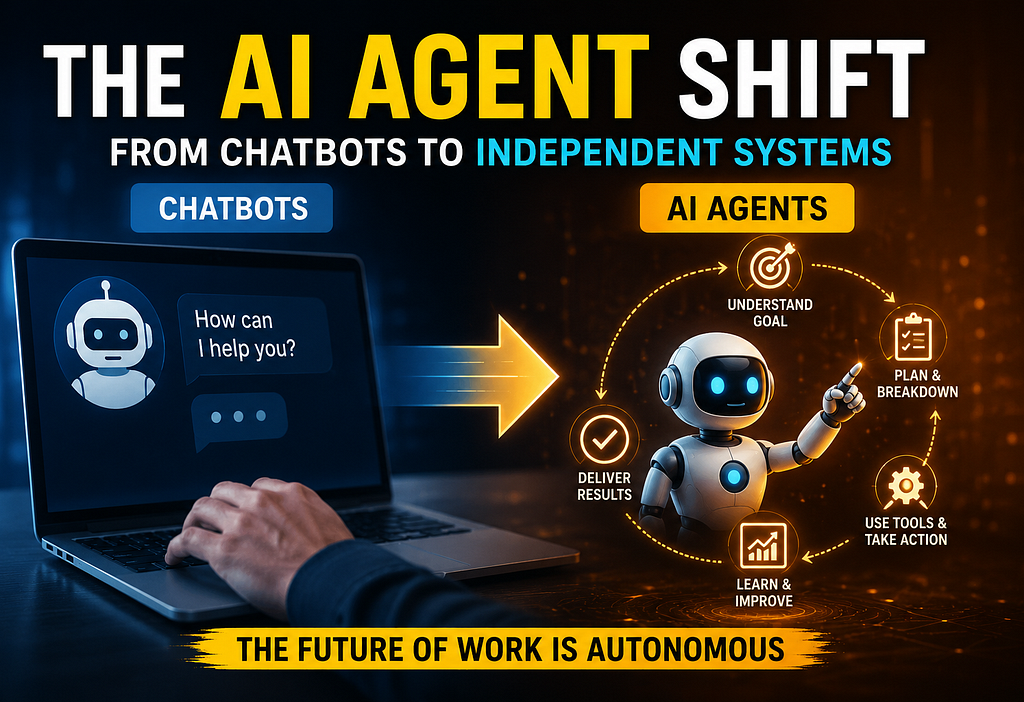
The AI Agent Shift: From Chat-bots to Independent Systems

Four “Financial Journalists” In Forbes Are Fake AI. This Is Why Decentralized Journalism Matters Now.

The Corporate Meltdown That Could Crush Bitcoin⚠️



