OECD Projects Bank of Japan Will Raise Rates to 2% by End of 2027
BitcoinWorld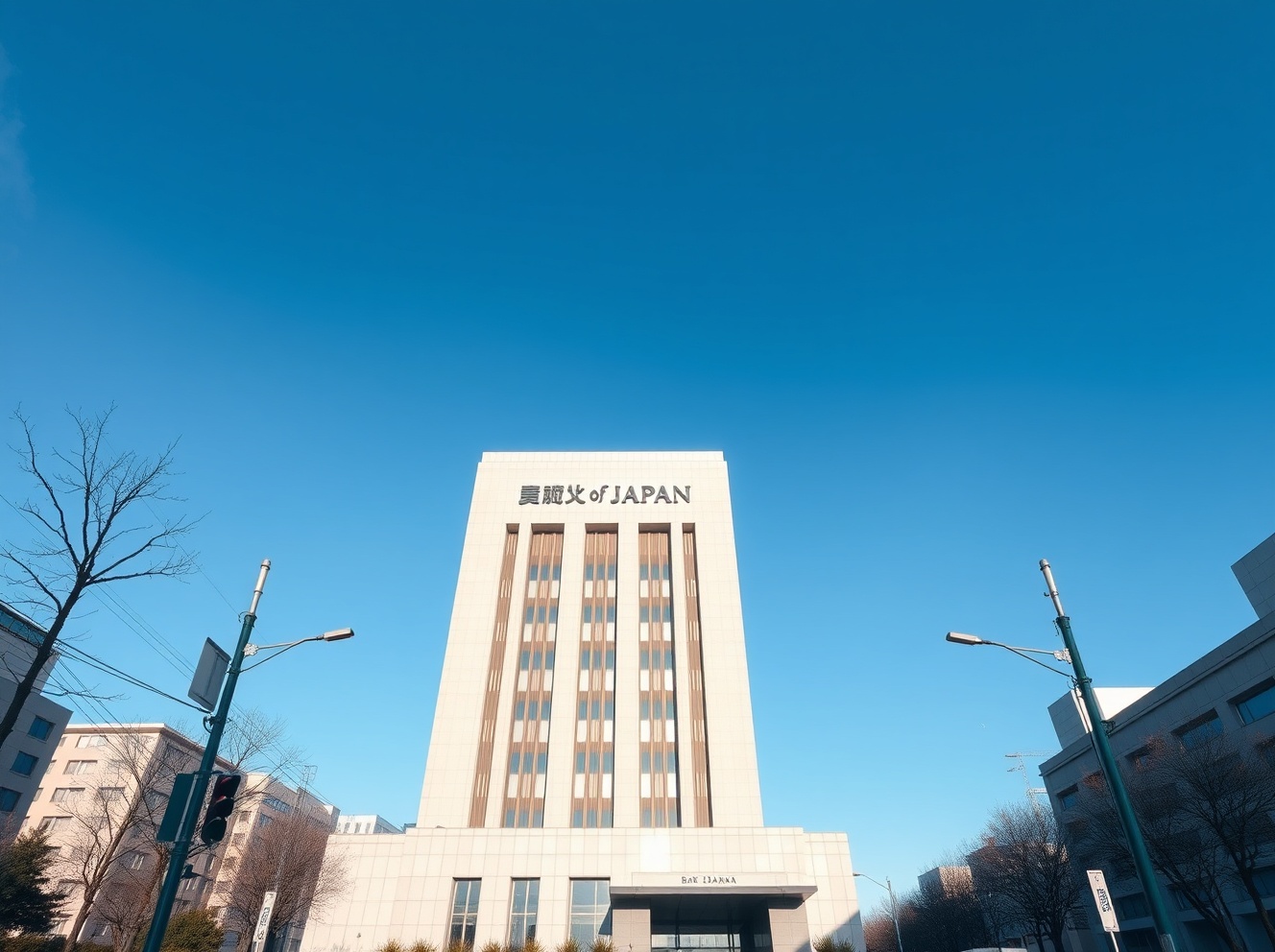
OECD Projects Bank of Japan Will Raise Rates to 2% by End of 2027
The Organisation for Economic Co-operation and Development (OECD) has released a new economic outlook projecting that the Bank of Japan (BoJ) will raise its benchmark interest rate to 2.0% by the end of 2027. This forecast marks a significant milestone for Japan, which has maintained ultra-loose monetary policy for decades to combat deflation and stimulate a stagnant economy.
OECD’s Rate Path for Japan
According to the OECD’s latest Economic Outlook, the BoJ is expected to continue its gradual tightening cycle. The projection suggests a steady path of rate increases from the current level, reflecting growing confidence that Japan’s economy has finally emerged from its long battle with deflation. The OECD anticipates that sustained wage growth and rising inflation will give the central bank room to normalize policy without derailing the recovery.
The report notes that Japan’s core inflation has consistently exceeded the BoJ’s 2% target for over a year, driven by higher import costs and a tight labor market. This has prompted the central bank to end its negative interest rate policy and yield curve control program earlier in 2024, with further adjustments expected.
Implications for Global Markets
A 2% rate by 2027 would represent a historic shift for Japan, which has not seen such borrowing costs since the early 2000s. For global investors, this means a potential rebalancing of capital flows. Japanese investors, long accustomed to negligible domestic returns, have poured trillions of yen into overseas bonds and equities. Higher domestic rates could encourage capital repatriation, potentially impacting global bond yields and currency markets.
The OECD’s projection also signals that the era of cheap yen financing may be coming to an end. This could affect carry trades, where investors borrow in yen to invest in higher-yielding assets elsewhere. A stronger yen and higher Japanese rates could unwind some of these positions, adding volatility to currency markets.
Domestic Economic Impact
For Japanese households and businesses, the transition to higher rates will be a mixed blessing. Savers, who have earned virtually nothing on deposits for years, may finally see positive real returns. However, the government, which carries a debt-to-GDP ratio exceeding 250%, will face sharply higher borrowing costs. The OECD warns that fiscal consolidation will be essential to maintain market confidence.
Small and medium-sized enterprises, many of which rely on bank loans, may also face increased financial pressure. The BoJ has indicated it will proceed cautiously to avoid disrupting the fragile economic recovery.
Conclusion
The OECD’s projection of a 2% BoJ rate by end-2027 underscores a pivotal moment for Japan’s monetary policy. While the path remains conditional on economic data, the direction is clear: Japan is normalizing after decades of unconventional easing. For investors, policymakers, and the public, understanding this transition is critical to navigating the evolving financial landscape.
FAQs
Q1: What is the current Bank of Japan interest rate?
The Bank of Japan’s benchmark short-term interest rate is currently in a range of 0.25% to 0.50%, following its exit from negative rates in March 2024.
Q2: Why is the OECD projecting a rate hike to 2%?
The OECD expects sustained inflation above the BoJ’s 2% target and rising wages to allow the central bank to gradually tighten policy without harming economic growth.
Q3: How would higher Japanese rates affect global markets?
Higher rates could lead to capital repatriation by Japanese investors, potentially raising global bond yields and strengthening the yen, which may impact carry trades and emerging market currencies.
This post OECD Projects Bank of Japan Will Raise Rates to 2% by End of 2027 first appeared on BitcoinWorld.


You May Also Like

2026 World Cup Prediction Markets: Round of 32 Risk for Messi, Ronaldo, Argentina and Portugal
Kevin Warsh and the June Rate Cut: Why the Shadow FOMC Is Predicting a Pivot Before the New Chair Takes the Oath