

Japan’s Kiuchi: Government Sends Consistent Signal on Fiscal Sustainability Commitment
BitcoinWorld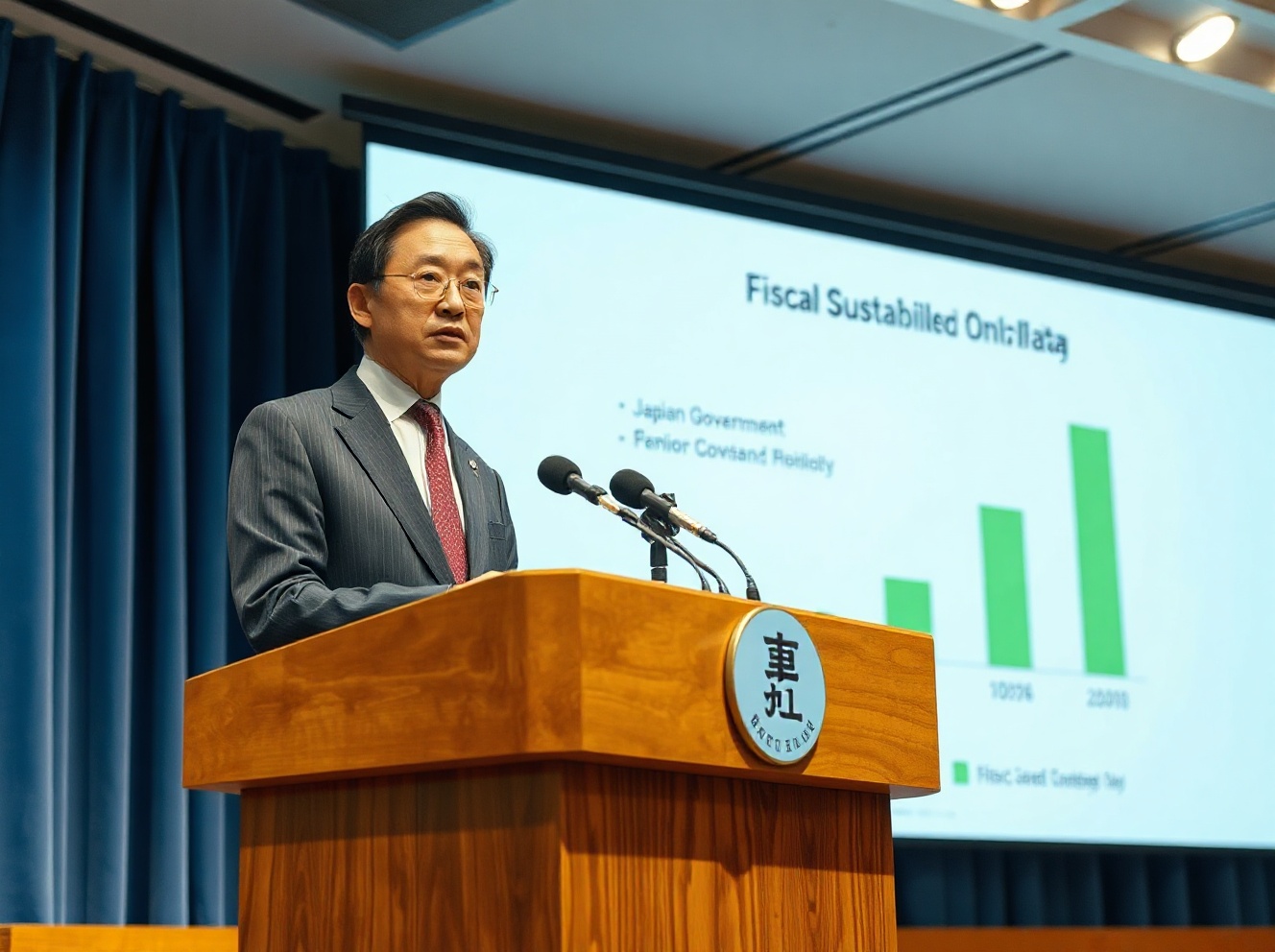
Japan’s Kiuchi: Government Sends Consistent Signal on Fiscal Sustainability Commitment
In a recent address that has drawn attention from financial markets and policy analysts, Japan’s Kiuchi reiterated that the government has consistently signaled its commitment to fiscal sustainability. The statement, delivered during a routine economic briefing, underscores the administration’s ongoing efforts to balance growth objectives with long-term debt management.
Background and Context
Japan faces one of the highest public debt-to-GDP ratios among developed economies, exceeding 250%. For years, the Bank of Japan’s ultra-loose monetary policy has kept borrowing costs low, but the government has faced increasing pressure to outline a credible fiscal consolidation path. Kiuchi’s remarks are seen as part of a broader communication strategy to reassure domestic and international investors that Japan is not complacent about its fiscal trajectory.
The official emphasized that policy signals from Tokyo have remained consistent across recent budget cycles and economic plans. This includes targets to achieve a primary budget surplus by the mid-2020s, though external shocks such as global inflation and energy price volatility have complicated the timeline.
Market and Policy Implications
Analysts view Kiuchi’s comments as a subtle but important reaffirmation of the government’s stance. Japanese Government Bond (JGB) yields have remained relatively stable, reflecting market confidence that the Bank of Japan will continue its yield curve control policy while the government maintains fiscal discipline.
However, some economists caution that without concrete structural reforms—such as broadening the tax base or curbing entitlement spending—the sustainability pledge may lack teeth. Kiuchi’s statement appears designed to bridge this gap by signaling continuity rather than announcing new measures.
Why This Matters to Investors
For global investors holding JGBs or yen-denominated assets, the credibility of Japan’s fiscal commitment directly impacts risk assessments. Any perception of policy drift could trigger volatility in bond markets. Kiuchi’s consistent messaging helps anchor expectations, at least in the short term.
The statement also carries weight for Japan’s standing in international forums, where peers monitor Tokyo’s ability to manage its debt without disrupting global financial stability.
Conclusion
Kiuchi’s reaffirmation of Japan’s fiscal sustainability commitment is a measured but significant signal. While the path to fiscal consolidation remains challenging, the government’s consistent communication helps maintain market confidence and reinforces its credibility on the global stage. The next key test will come with the release of updated economic projections and the annual budget proposal.
FAQs
Q1: Who is Kiuchi in the context of Japan’s fiscal policy?
Kiuchi is a senior Japanese government official responsible for economic and fiscal policy communication. He regularly briefs markets and the public on the government’s fiscal stance.
Q2: What does “fiscal sustainability” mean for Japan?
It refers to the government’s ability to maintain its spending and debt obligations without requiring a drastic policy shift or default. For Japan, this involves reducing the primary deficit and stabilizing the debt-to-GDP ratio over the medium term.
Q3: How do Kiuchi’s remarks affect Japanese Government Bond yields?
Consistent policy signals help stabilize JGB yields by reducing uncertainty. If markets perceive the government as committed to fiscal discipline, yields are less likely to spike unexpectedly.
This post Japan’s Kiuchi: Government Sends Consistent Signal on Fiscal Sustainability Commitment first appeared on BitcoinWorld.


You May Also Like

Sindiket dadah tumpas, polis rampas syabu RM1.35 juta di Kuching

Inside SECGov’s Warning About Scammers — And Why Traders Are Watching

A New Era for Stablecoins — BIS Releases Podcast on Future Monetary Trust



