

South Korea’s FSC Targets Corporate Crypto Trading by End of 2025
BitcoinWorld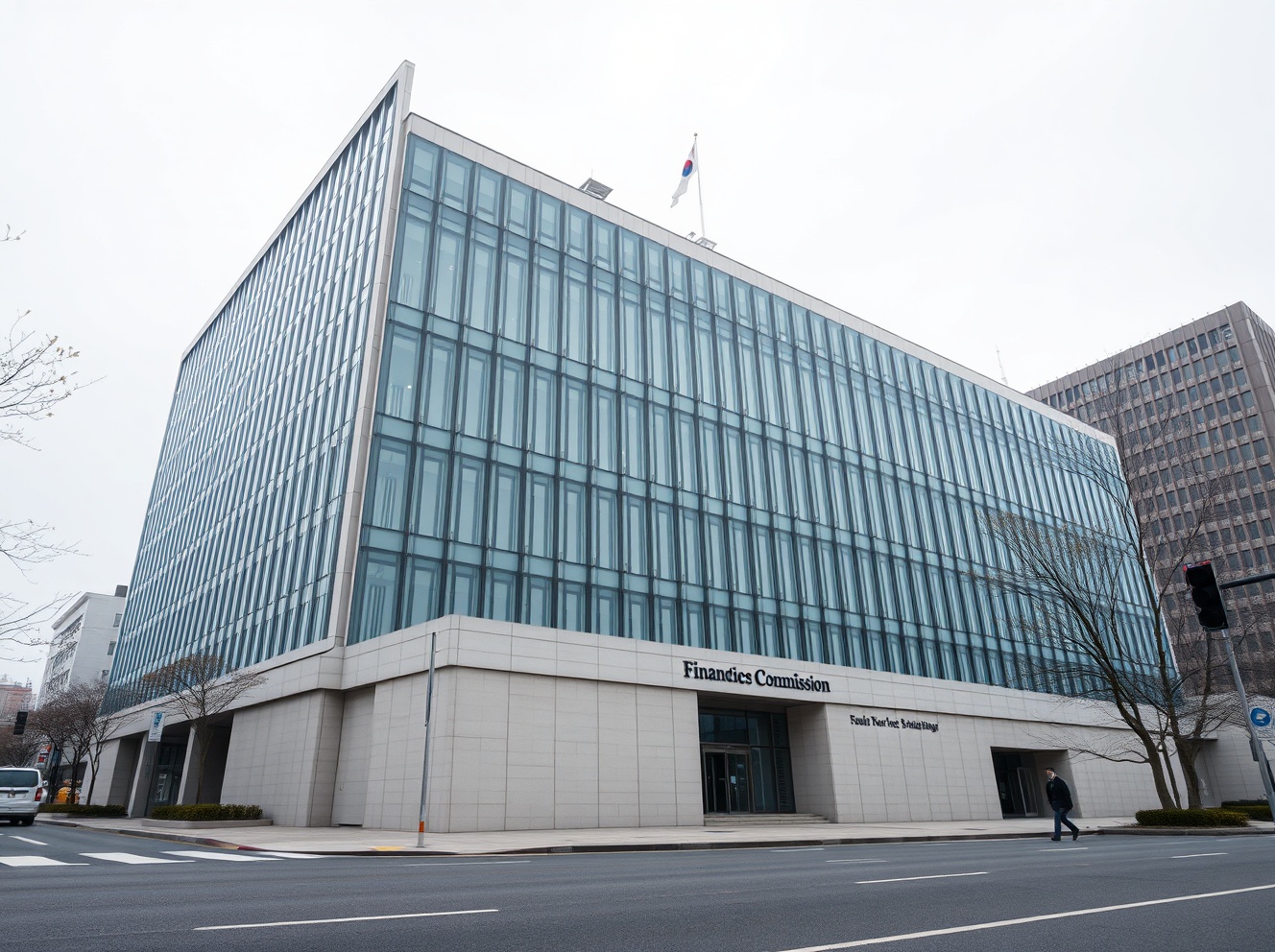
South Korea’s FSC Targets Corporate Crypto Trading by End of 2025
South Korea’s top financial regulator has signaled a significant shift in its virtual asset policy, announcing plans to allow corporations to participate in the cryptocurrency market within the year. Shim Won-tae, deputy director of the Virtual Asset Division at the Financial Services Commission’s (FSC) Digital Finance Policy Bureau, stated that enabling corporate entry is a key objective for 2025, marking a departure from the country’s current retail-investor-dominated landscape.
Regulator Calls for Market Structure Reform
Speaking at a professional trial competency program at the Seoul Southern District Court, Shim emphasized that the current market structure—where individual investors account for the vast majority of activity—is unsustainable as the legal framework matures. According to a report from The Herald Business, Shim described corporate participation as a prerequisite for the second phase of virtual asset legislation, arguing that a market limited to retail participants is incompatible with an advancing regulatory system.
The FSC’s stance represents a notable policy evolution. South Korea has historically maintained a cautious approach to institutional crypto involvement, with banks and corporations largely barred from direct trading or custody services. The move aligns with broader global trends, where jurisdictions like Hong Kong, Singapore, and the European Union have moved to integrate institutional players under comprehensive regulatory frameworks.
Phase Two Legislation and Market Implications
The second phase of South Korea’s virtual asset legislation is expected to address areas such as stablecoin regulation, custody standards, and disclosure requirements for listed tokens. The FSC’s push for corporate entry suggests that lawmakers view institutional participation as essential for market maturity and investor protection.
Industry observers note that allowing corporations to trade and hold virtual assets could deepen liquidity and reduce volatility in Korean exchanges, which have long been characterized by retail-driven price swings. However, the move also raises questions about risk management, anti-money laundering compliance, and potential conflicts of interest, particularly for financial conglomerates.
What This Means for Investors and the Market
For retail investors, the policy shift could bring greater market stability and improved infrastructure, as corporate players often demand higher standards of custody, auditing, and transparency. For the broader crypto ecosystem in South Korea, it signals that the government is moving beyond a purely restrictive posture toward a more integrated regulatory approach.
The timeline for implementation remains unclear, but Shim’s comments indicate that the FSC intends to move swiftly. Market participants will be watching for draft legislation and public consultations in the coming months.
Conclusion
South Korea’s FSC has set a clear policy direction for 2025: corporate entry into the virtual asset market is no longer a question of if, but when. As the country prepares the second phase of its crypto legal framework, the move toward institutional participation represents a maturing of both the market and the regulatory environment. For now, the focus shifts to how the FSC will balance innovation with the safeguards needed to protect a market long dominated by individual traders.
FAQs
Q1: Why does South Korea want to allow corporate crypto trading now?
A: The FSC believes the current retail-dominated market structure is unsuitable for the second phase of virtual asset legislation. Corporate participation is seen as necessary for market maturity, improved liquidity, and stronger investor protections.
Q2: What changes will the second phase of virtual asset legislation bring?
A: The second phase is expected to cover stablecoin regulation, custody standards, token disclosure requirements, and rules for institutional participation. It aims to create a comprehensive legal framework beyond the initial investor protection-focused laws.
Q3: When will corporations be allowed to trade virtual assets in South Korea?
A: The FSC has stated that enabling corporate entry is a key goal for 2025. Specific timelines will depend on the legislative process and public consultations, but the regulator has signaled urgency in implementing the policy.
This post South Korea’s FSC Targets Corporate Crypto Trading by End of 2025 first appeared on BitcoinWorld.


추천 콘텐츠

Vietnam is becoming the hottest tourist hotspot in Southeast Asia—and trying to avoid Thailand’s mistakes

Pyra to shut down after Drift exploit derails recovery efforts

Robotics Automation Prototyping: Engineering Kinetic Agility into End-Effectors


인기 뉴스
더보기
