

Can AI cure loneliness? It’s complicated, experts say
 While AI tools are widely known for boosting productivity, a growing number of people are also turning to chatbots for emotional support and mental health guidance. (Envato Elements pic)
KUALA LUMPUR: When Michael (not his real name) was diagnosed with attention-deficit/hyperactivity disorder (ADHD) in 2018, life became increasingly difficult.
The condition, often accompanied by emotional dysregulation, time blindness and task paralysis, eventually cost him his job. “My manager lost patience with me,” he said.
The loss triggered a downward spiral of self-blame, anger and depression – made worse by the sight of friends and siblings settling into careers and family life while he struggled with isolation.
Then came ChatGPT. When OpenAI launched the chatbot in 2022, Michael began using it for everything from organising his schedule and understanding his condition to coping with loneliness.
“It helps me structure my life,” he told Bernama. “I use AI for family situations, loneliness and personal and professional problems. I consult AI about almost everything.”
One aspect of ADHD Michael struggles with is rejection sensitivity dysphoria, which can make people intensely sensitive to criticism or perceived rejection.
“I’ll even send screenshots of messages for AI to interpret because I tend to scan for rejection in people’s responses,” he said.
Michael is far from alone. While AI tools are widely known for boosting productivity, a growing number of people are also turning to chatbots for emotional support and mental health guidance.
A report published in Jama Network in November found that 13% of 1,058 respondents in the United States had used generative AI for mental health advice, with usage particularly high among those aged 18 to 21.
In Britain, polling commissioned by Mental Health UK found that one in three adults had used AI chatbots for mental health support, with usage peaking among people aged 25 to 34.
Yet the growing role of AI in emotional wellbeing comes amid rising concerns about loneliness and mental health. Research published in the Journal of Medicine, Surgery, and Public Health in 2024 noted that depression and anxiety cost the global economy an estimated US$1 trillion annually in lost productivity.
Malaysia is not immune. Researchers analysing data from the National Health and Morbidity Survey 2012 found that 16.2% of secondary school students experienced loneliness, with girls reporting higher rates than boys.
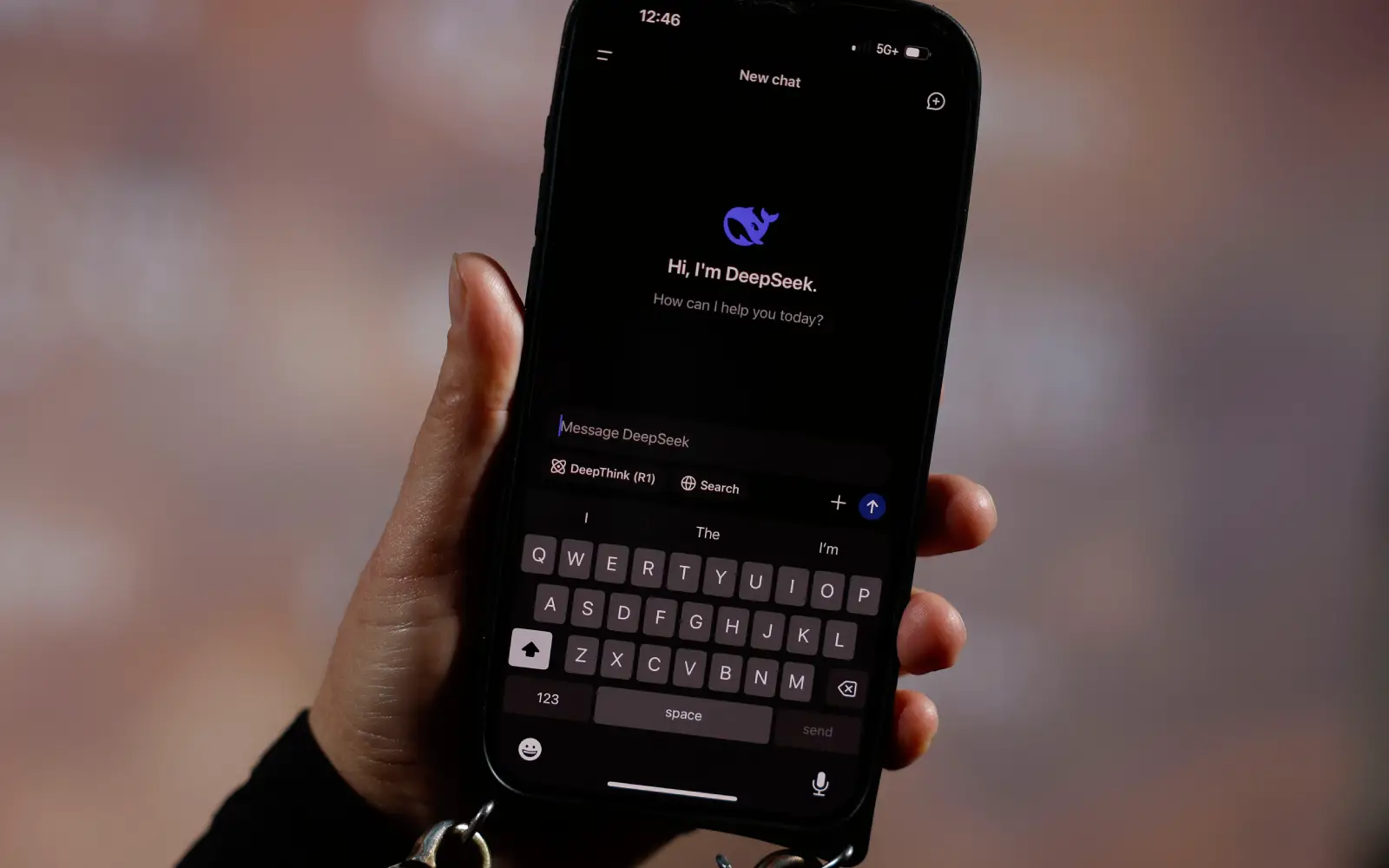 AI platforms are often designed to maximise engagement, which can facilitate emotional attachment, dependence and compulsive use. (EPA Images pic)
While AI may appear to offer companionship, experts caution that it cannot replace meaningful human relationships.
On June 11, a Canadian mother filed a lawsuit against OpenAI, alleging that ChatGPT had validated her daughter’s suicidal thoughts before her death.
Such cases have intensified concerns about people relying too heavily on AI companions for emotional support, especially when conversations begin to take the place of human connection.
Institute of Strategic and International Studies Malaysia fellow Tan Heang Lee said chatbots can be useful in some situations, particularly for practising social interactions.
She cited a UK study that showed how adolescents were able to transfer skills practised with AI chatbots into real-world situations. “In that sense, AI can become a practice ground,” she said.
Problems arise, however, when chatbots begin replacing human friendships or professional support. “Oftentimes people use these companions to meet emotional needs. They can act as a friend, coach, confidant, therapist or even a lover.
“One concern is that AI companion use can facilitate emotional attachment, dependence and compulsive use,” Tan cautioned.
She noted that AI platforms are often designed to maximise engagement, with follow-up questions encouraging users to keep the conversation going.
As such, “follow-up questions are essentially the chatbot version of infinite scroll”: interactions are frictionless, highly supportive, and often less demanding than human relationships, making it easy for users to return again and again.
“But AI should never replace genuine human connection,” Tan stressed. “That’s where personal growth and social learning happen.”
Clinical psychologist Izzat Zaid agrees, describing AI as a useful assistant but not a substitute for friends, family members or therapists.
“It can help people practise social situations, especially those with anxiety, but it can never truly replace human interaction,” she said.
Unlike AI systems, therapists are guided by professional ethics and are trained to help clients become independent rather than dependent.
“When therapists do our work, we want clients to gain the skills they need so that one day they no longer need us,” she added.
 AI should never replace genuine human connection: ‘That’s where personal grown and social learning happen,’ experts say. (Envato Elements pic)
For Tan, this highlights a key difference between therapy and AI companionship. “The goal of therapy is eventually to wean clients off the therapist. That’s not necessarily the case with AI companions,” she said.
Experts, therefore, recommend setting boundaries around AI use.
Aini Suzana Ariffin, a fellow expert at Universiti Teknologi Malaysia’s Centre for Artificial Intelligence and Robotics, pointed out that users can shape healthier interactions through careful prompting. This may include limiting conversations, avoiding overly personal exchanges, or disabling follow-up prompts.
Equally important is maintaining real-world connections. Izzat shared that one friend regularly uses AI to process emotions but still turns to her for perspective.
“She calls me ‘Jat GPT’,” she said with a laugh.
Ultimately, the answer may lie beyond technology. Tan believes communities need more parks, playgrounds and public spaces that encourage people to gather and connect.
“The fact that people are turning to chatbots for companionship is symptomatic of a lack of social connection in our daily lives,” she noted.
As for Michael, he believes the benefits of AI still outweigh the risks. Even so, he makes a conscious effort to spend time with friends and maintain a life beyond the screen.
And if he ever feels he is becoming too reliant on AI?
“I put the phone down,” he said.


추천 콘텐츠

Bitcoin Plunges as Market Sees Massive Selloff After Trump’s Latest Iran Speech

The Next Crypto Breakout Below $1 Investors Are Preparing For

Robotics Automation Prototyping: Engineering Kinetic Agility into End-Effectors


인기 뉴스
더보기
