

Best Bitcoin Mining App Guide: Real vs. Fake, and How to Withdraw Safely
- A Bitcoin mining app does not mine Bitcoin on your phone — it connects you to a cloud-based service that rents you a share of remote hardware's computing power.
- On-device mobile mining is technically infeasible and prohibited by Google Play's official developer policy.
- Many free Bitcoin mining apps display fake BTC balances that cannot be withdrawn — always verify on-chain payouts before committing any funds.
- Legitimate platforms disclose their mining farm locations, publish verifiable hashrate data, and process withdrawals to external wallet addresses.
- Mining rewards fluctuate with BTC price and network difficulty — any app promising guaranteed daily returns is a red flag.
- Testing a minimum withdrawal before investing more time or money is the single most reliable way to verify whether a platform is real.
What Is a Bitcoin Mining App and How Does It Actually Work?
Bitcoin Mining App — Legit vs. Fake: How to Tell the Difference
- The platform clearly discloses its mining farm locations and publishes verifiable hashrate data
- Withdrawals are processed on-chain and can be confirmed on a public blockchain explorer
- Contract terms, fees, and payout structures are written in plain language — no hidden conditions
- Guaranteed daily returns (real mining is never guaranteed — it fluctuates with BTC price and network difficulty)
- Withdrawal blocked unless you pay an upfront "fee" or recruit referrals
- No verifiable company registration, no physical address, no independent reviews
Best Bitcoin Mining Apps Worth Knowing
Cloud Mining Contract Platforms — For Structured, Long-Term Mining
Free-to-Start Mining Apps — Low Risk, Low Reward
Hashrate Marketplace Apps — For More Experienced Users
How to Withdraw from a Bitcoin Mining App (And What to Watch For)
- Verify the minimum withdrawal threshold — legitimate platforms set modest, transparent minimums; anything requiring thousands of dollars' worth of BTC before paying out is designed to trap funds.
- Confirm withdrawals go on-chain — your BTC should move to an external wallet address you control, visible on a public blockchain explorer; if the app only shows an internal balance, nothing has actually moved.
- Test with a small amount first — before committing significant time or money, always attempt a minimum withdrawal to confirm the platform actually pays out.
- Read the fee structure before withdrawing — some platforms charge excessive withdrawal fees to discourage payouts; this is a known tactic used by scam apps to profit even when they do release funds.
- Watch for invented delays — excuses like "network congestion," "security audit," or "manual review" that repeatedly block withdrawals are a near-certain sign of a fraudulent platform.
- Check if withdrawal requires recruiting others — any platform making your payout contingent on referrals is not a mining service; it is a pyramid scheme.
Frequently Asked Questions
Conclusion
Popular Articles
View More
Oura Competitors: Samsung, Apple and the Smart Ring Market
Oura's competitors fall into three groups, according to its IPO prospectus: smartwatch makers such as Apple, Google and Samsung; fitness wearables such as Garmin, Coros and Whoop; and software-only

Is Oura Profitable? Revenue, Business Model and Valuation
Yes, Oura is profitable on a net income basis. Its IPO prospectus shows net income of $60.8 million on revenue of $1.21 billion in the nine months to June 30, 2026. The $924.3 million loss in some
Bitget Review 2026: 3.8 Out of 5, the Deepest Copy-Trading Shelf, and a Japan Exit With Three Dates You Need
Bitget scores 3.8 out of 5 on our six-dimension scorecard as of 25 September 2026, leading on derivatives, holding a provisional 3.5 on security after the hot-wallet incident of about $351.6 million

Hot Crypto Updates
View More
How Much Can Bitcoin Fall in a Bull Market? Historical BTC Drawdowns Explained
Overview Bitcoin reclaimed the $86,000 level on October 5. According to Yahoo Finance's price report that day, BTC traded near $86,121, up 2.4% on the week and 8.6% over the month, yet still 29.3%

3x Bitcoin and Ether ETFs Approved: How Leveraged Crypto ETFs Work
Overview The U.S. Securities and Exchange Commission approved a Cboe BZX listing rule change on October 2, clearing the path for the first triple-leveraged crypto exchange-traded products in the

How Fed Rate Hikes Affect Bitcoin: Interest Rates, Dollar Liquidity & BTC Explained
Overview The Federal Reserve lifted its federal funds target range to 3.75% to 4% on September 16, its first increase since July 2023, and the move revived a question that sits awkwardly at the

Trending News
View More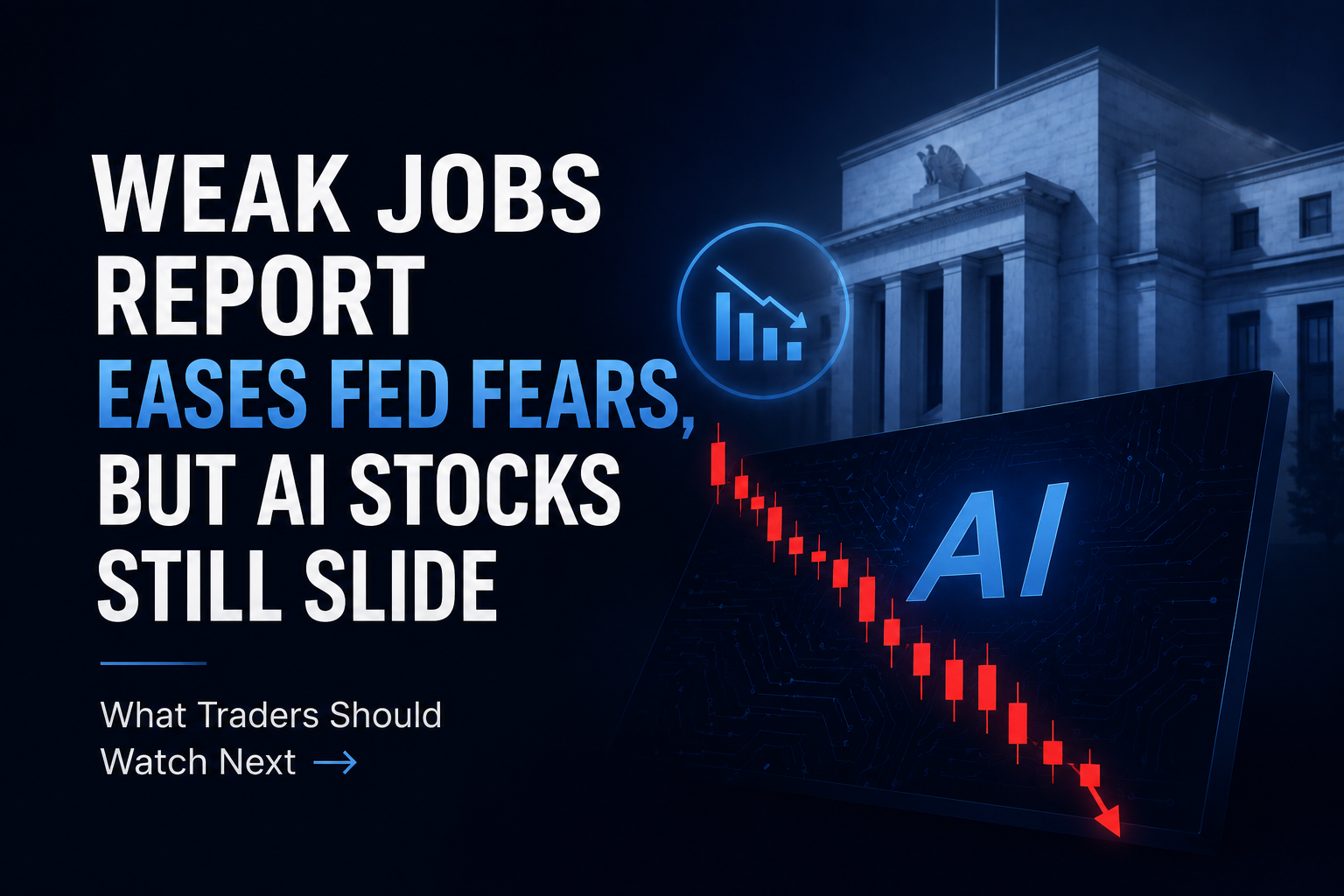
Weak Jobs Report Eases Fed Fears, But AI Stocks Still Slide: What Traders Should Watch Next
The U.S. June jobs report signaled a clear economic slowdown, missing expectations and lowering Federal Reserve rate hike fears. Despite lower Treasury yields, AI and tech stocks slid, proving that ma

FTIXX Lynq: Goldman's $100B Fund Connects to Crypto Rails
Goldman Sachs is making its Financial Square Treasury Instruments Fund, known by the institutional share-class ticker FTIXX, available to qualified U.S. participants through Lynq, a real-time settleme

Related Articles
View More
Dogecoin Marketcap Explained: What It Means and How It Shapes DOGE's Value
Key TakeawaysMarket capitalization (market cap) measures the total dollar value of Dogecoin (DOGE), calculated as current price × circulating supply.As of December 2025, Dogecoin's market cap stands a

How Tether Maintains Its 1:1 Peg: Mechanics of USDT Reserves
Tether (USDT) is a stablecoin pegged 1:1 to the US Dollar, meaning each USDT is backed by an equivalent amount of reserves. Tether maintains its peg by holding a mix of fiat assets, cash equivalents,

Dogecoin Security Basics: Common Scams Targeting DOGE Holders and How to Avoid Them
Dogecoin (DOGE) has transformed from an internet meme into a legitimate financial asset. However, its mainstream visibility is a double-edged sword: while it drives adoption, it also attracts sophisti









