Tokenized Gold vs. Gold ETF: The Ultimate 2026 Digital Gold Investing Guide
In the 2026 macro economy, the Tokenized Gold vs. Gold ETF debate has become the focal point for investors seeking the most efficient way to hold precious metals. While traditionalists have long relied on the Gold ETF as a regulated proxy, the rise of Tokenized Gold offers a direct-ownership model that is fundamentally disrupting legacy finance.
Whether you are diversifying your portfolio with Bitcoin or seeking a stable physical-backed anchor, understanding the granular differences in this Tokenized Gold vs. Gold ETF comparison is vital for protecting your wealth against 2026 volatility.
1. Direct Ownership: The Tokenized Gold vs. Gold ETF Structural Divide
The most critical factor in the Tokenized Gold vs. Gold ETF choice is the nature of your claim. A Gold ETF is a contractual security; you own a share in a trust that tracks the price of gold, but you do not own the gold itself. You are effectively an unsecured creditor to a financial intermediary.
Tokenized Gold, conversely, represents a "digital twin" of a specific, allocated gold bar stored in a regulated vault. Each token provides a direct legal claim on LBMA-compliant bullion. In the 2026 financial landscape, where institutional trust is at a premium, this shift from "contractual proxy" to "direct asset ownership" is the primary reason Tokenized Gold is outperforming the traditional Gold ETF in terms of adoption growth.
2. 24/7 Liquidity: Why Tokenized Gold Beats the Gold ETF in 2026
Legacy markets are bound by banking hours, meaning a Gold ETF can only be traded when the stock exchange is open. This creates significant "gap risk" during weekend geopolitical events.
In the Tokenized Gold vs. Gold ETF efficiency test, Tokenized Gold wins by offering 24/7/365 liquidity with near-instant atomic settlement. For professional traders, this constant access is indispensable. By moving away from the T+2 settlement cycle of the Gold ETF, investors can reallocate capital between Bitcoin and gold in seconds, reflecting the high-velocity nature of the 2026 digital economy.
3. Cost Efficiency: Analyzing Tokenized Gold vs. Gold ETF Fees
When comparing Tokenized Gold vs. Gold ETF for long-term holding, the fee structure is a hidden performance killer.
Gold ETF Fees: Traditional ETFs carry annual expense ratios (typically 0.15% to 0.40%) that compound over time, slowly eroding your gold position.
Tokenized Gold Utility: High-quality gold tokens often have zero management fees, as the cost is covered by minting/burning premiums. Furthermore, in 2026, Tokenized Gold can be used as collateral in DeFi lending, transforming a static reserve into productive capital—a feature the Gold ETF simply cannot provide.
4. Tactical Execution: The MEXC Advantage
For those who have decided on their winner in the Tokenized Gold vs. Gold ETF debate, the next step is strategic execution. While holding spot tokens is ideal for preservation, active market participants require the precision of derivatives.
The MEXC Gold Perpetual Market offers a specialized environment for this. It is vital to understand that when trading MEXC Gold Perpetual Futures, you are engaging with a derivative contract based on the gold price, not the underlying token itself. This allows for high leverage and tactical hedging, enabling you to protect your physical holdings or speculate on 24/7 price movements with professional-grade liquidity.
Conclusion: The Verdict on Tokenized Gold vs. Gold ETF
The Tokenized Gold vs. Gold ETF comparison reveals a clear trend for 2026: legacy proxies are giving way to direct, programmable ownership. If you value 24/7 market access, real-time auditability via Proof of Reserves, and the ability to use gold in a digital ecosystem, Tokenized Gold is the superior vehicle. By balancing your portfolio with Bitcoin for growth and utilizing the MEXC Gold Perpetual Market for risk management, you can master the 2026 gold bull run with confidence.
FAQ: Tokenized Gold vs. Gold ETF
What is the main difference in the Tokenized Gold vs. Gold ETF debate? The main difference is ownership. In a Gold ETF, you own a paper security tracking the price. In Tokenized Gold, you own a digital claim to a specific physical gold bar stored in a vault.
Can I trade Tokenized Gold faster than a Gold ETF? Yes. Tokenized Gold settles in seconds on the blockchain, whereas a Gold ETF follows a T+2 settlement cycle (two business days) and only trades during stock market hours.
Is it better to hedge with Gold ETFs or MEXC Gold Perpetual Futures? For 2024–2026 macro hedging, MEXC Gold Perpetual Futures are often preferred due to 24/7 availability and leverage options, which traditional Gold ETFs do not offer.
How does BTC compare to Tokenized Gold? While Bitcoin is "digital gold" through algorithmic scarcity, Tokenized Gold is a digital representation of physical gold. Both are key components of a modern 2026 portfolio.
Popular Articles
View More
Oura Competitors: Samsung, Apple and the Smart Ring Market
Oura's competitors fall into three groups, according to its IPO prospectus: smartwatch makers such as Apple, Google and Samsung; fitness wearables such as Garmin, Coros and Whoop; and software-only

Is Oura Profitable? Revenue, Business Model and Valuation
Yes, Oura is profitable on a net income basis. Its IPO prospectus shows net income of $60.8 million on revenue of $1.21 billion in the nine months to June 30, 2026. The $924.3 million loss in some

Bitget Review 2026: 3.8 Out of 5, the Deepest Copy-Trading Shelf, and a Japan Exit With Three Dates You Need
Bitget scores 3.8 out of 5 on our six-dimension scorecard as of 25 September 2026, leading on derivatives, holding a provisional 3.5 on security after the hot-wallet incident of about $351.6 million

Trending News
View More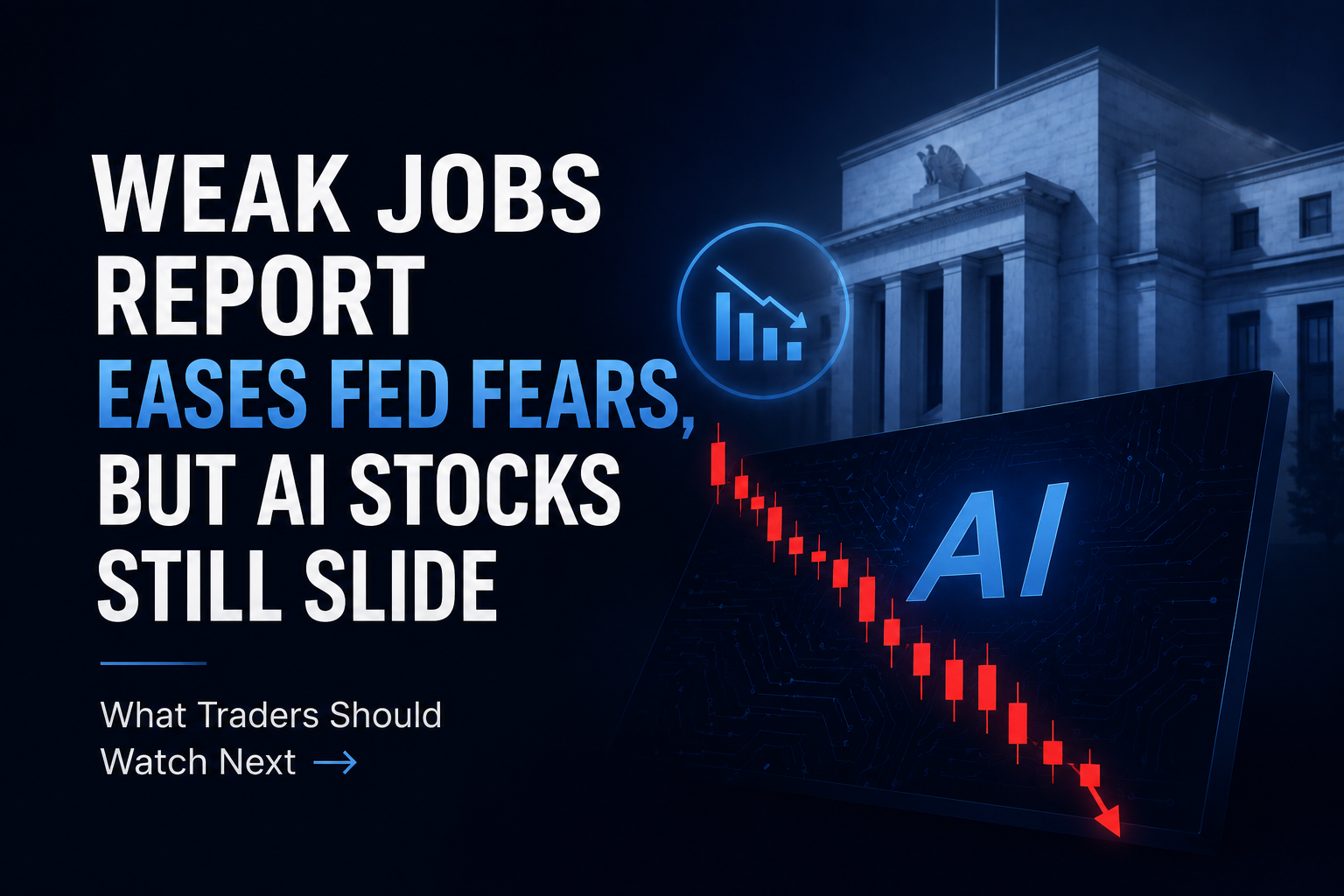
Weak Jobs Report Eases Fed Fears, But AI Stocks Still Slide: What Traders Should Watch Next
The U.S. June jobs report signaled a clear economic slowdown, missing expectations and lowering Federal Reserve rate hike fears. Despite lower Treasury yields, AI and tech stocks slid, proving that ma

FTIXX Lynq: Goldman's $100B Fund Connects to Crypto Rails
Goldman Sachs is making its Financial Square Treasury Instruments Fund, known by the institutional share-class ticker FTIXX, available to qualified U.S. participants through Lynq, a real-time settleme


Related Articles
View More
Gold Price Prediction H2 2026: Institutional Target Revisions vs. The $4,100 Structural Floor
The global precious metals market completed a massive, high-leverage clearing cycle in the first half of 2026. After reaching an unprecedented record-breaking all-time high of $5,594.82 on January 29,
Gold Sits on the $4,000 Threshold: Deconstructing the World Gold Council’s H2 2026 Valuation Moat
The global gold market is currently executing one of its most aggressive technical adjustments in modern financial history. After printing an unprecedented, record-breaking all-time high of $5,594.82
How CPI Data Impacts Gold Prices and XAU Trading
Why CPI Matters for GoldCPI data is one of the most important macro indicators for gold traders. When CPI rises faster than expected, markets usually reassess inflation pressure, Federal Reserve polic