

Bank of Korea Unveils Bold CBDC Plan for Asset Tokenization
- The Bank of Korea says stablecoins could be widely used for payments.
- The bank warns that payment-use stablecoins tied to tokenized assets create new stability.
- The Bank of Korea is monitoring global rules and may push domestic policy changes.
The Bank of Korea has announced plans to build a payment system centred on Central Bank Digital Currency (CBDC) and deposit tokens. It has taken a new approach to digital payments that goes well beyond transactions to a new frontier in institutional finance.
Driving Efficiency Through the CBDC Framework
According to the Bank of Korea, stablecoins must be introduced, but in terms of dependability, commercial banks and the central bank should take the lead rather than large enterprises.

In an inauguration speech, Bank of Korea Governor Shin Hyun-song also mentioned that the CBDC and deposit tokens will be utilised more extensively.
Stablecoins might soon dominate payments if they evolve into investment tools. The central bank considers that these assets should provide more than just a substitute for cash. So, tokenization will be the main driving force behind this structural transformation.
The next area of digital liquidity is asset-fragment investment products. The Bank of Korea considers a CBDC to be the fundamental base which supports all digital assets. As a result, this model merges the traditional banking system with the rapid pace of crypto innovation.
The central bank will prioritize deposit tokens for institutional use cases first. This approach ensures that commercial banks remain central to the monetary system.
This comes after a massive attack on illegal “Tether laundries” has been launched in South Korea.
Regulatory complexities in the CBDC ecosystem
Linking stablecoins to tokenized asset shares introduces unique systemic risks. The Bank warns that investor protection must remain a top priority today.
Therefore, such transactions are the most complicated ones that can be conducted in the most secure environment provided by a CBDC.
Current supervisory gaps exist because hybrid products blur traditional financial lines. There are gaps in existing frameworks regarding assets that combine payments and investments. So, the central bank is trying to fill these technical and legal gaps.
Now policymakers have to come up with rules to distinguish between hybrids and e-money. It is important to have clarity on underlying assets to ensure that markets are trusted to continue operating. In other words, these transparency rules will be implemented using smart contracts within the CBDC architecture.
Additionally, South Korea recently passed a new law to more strictly regulate overseas crypto transfers.
Global Standards for Tokenization and Crypto
The Bank of Korea is monitoring international regulatory trends right now. It will seek home rule changes to keep the world in line. The proactive approach facilitates the country’s risk management efforts in the crypto market.
A coordinated approach on the regulatory front is necessary for systemic impacts of asset-backed coins. The central bank emphasizes that a CBDC ensures stability during volatile market cycles.
In addition, these digital tools will simplify foreign trade settlement processes.
This is a game-changer from the technological standpoint that will shape the future of Korean finance. This is a big technological breakthrough that will define Korean finance going forward. By adopting tokenisation, the Bank is ensuring its position in the digital economy.
The post Bank of Korea Unveils Bold CBDC Plan for Asset Tokenization appeared first on Live Bitcoin News.


You May Also Like
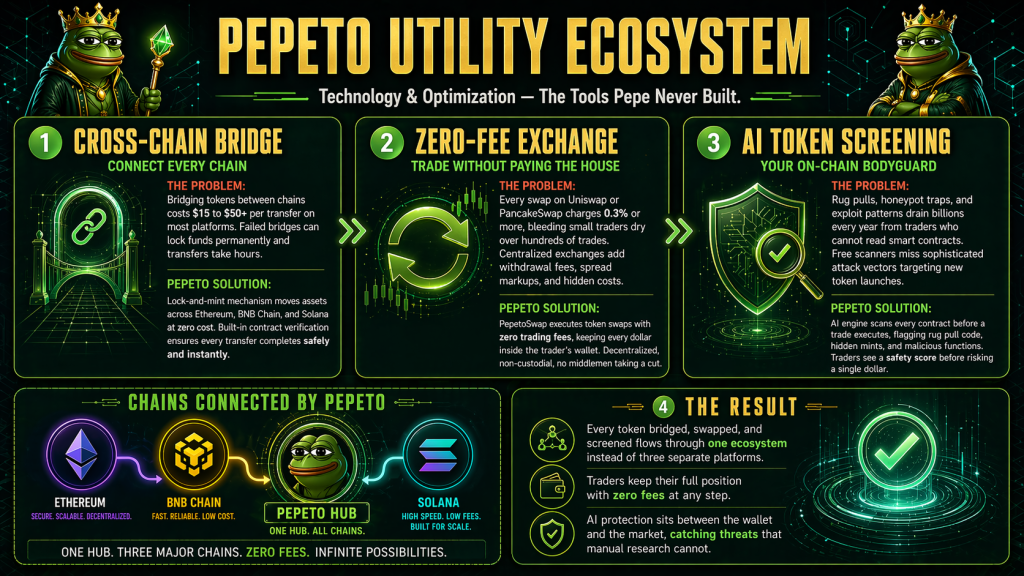
Which Are the Top 3 Cryptos to Buy Now as Solana Lands Mastercard and Pepeto Presale Nears Sold-Out Close
Ondas (ONDS) Stock Soars After Revenue Explodes Over 1,000% in Q1 2026




