

Nigerian Cybersecurity Analyst Advocates Stronger Digital Protection Amid Rising Meta Account Bans
Michelle Oduah, a Governance, Risk, and Compliance (GRC) consultant, specializing in GDPR and cybersecurity for tech and e-commerce brands, is pushing meta for a more transparency and better digital security measures from Meta. Her words follow a recent trend, in which Facebook and Instagram accounts around the world report that they’ve been banned for no apparent reason.
This was revealed by Oduah during X Space session organized by CyberBloom for the official rollout of the 2025 cohort of the Michelle Oduah Mentorship Program. In the discussion she covered digital identity protection, AI moderation and the dangers for business owners who are heavily present on social media.
Currently a GRC Analyst at Cyberick UK, Oduah has over three years of experience helping companies in Nigeria, the UK, and the EU set up compliance and risk management frameworks to keep their operations running smoothly. She holds a Master’s in Cyber Security Management from The University of Law Business School and several professional certifications in the field.
In the live session, Oduah voiced concerns about the amount of automated systems that big tech companies now use to ban and appeal accounts. Thousands of people have posted online in the past year, venting their anger at the abrupt blockage or outright ban. During the session, Oduah voiced concern over the growing reliance on automated moderation tools used by tech giants, including Facebook and Instagram’s suspensions and appeals.
Many say that even after sending in IDs and video verifications, their appeals still fail. In many cases, because of how Meta’s Account Center works, users are losing access to both Facebook and Instagram at the same time.
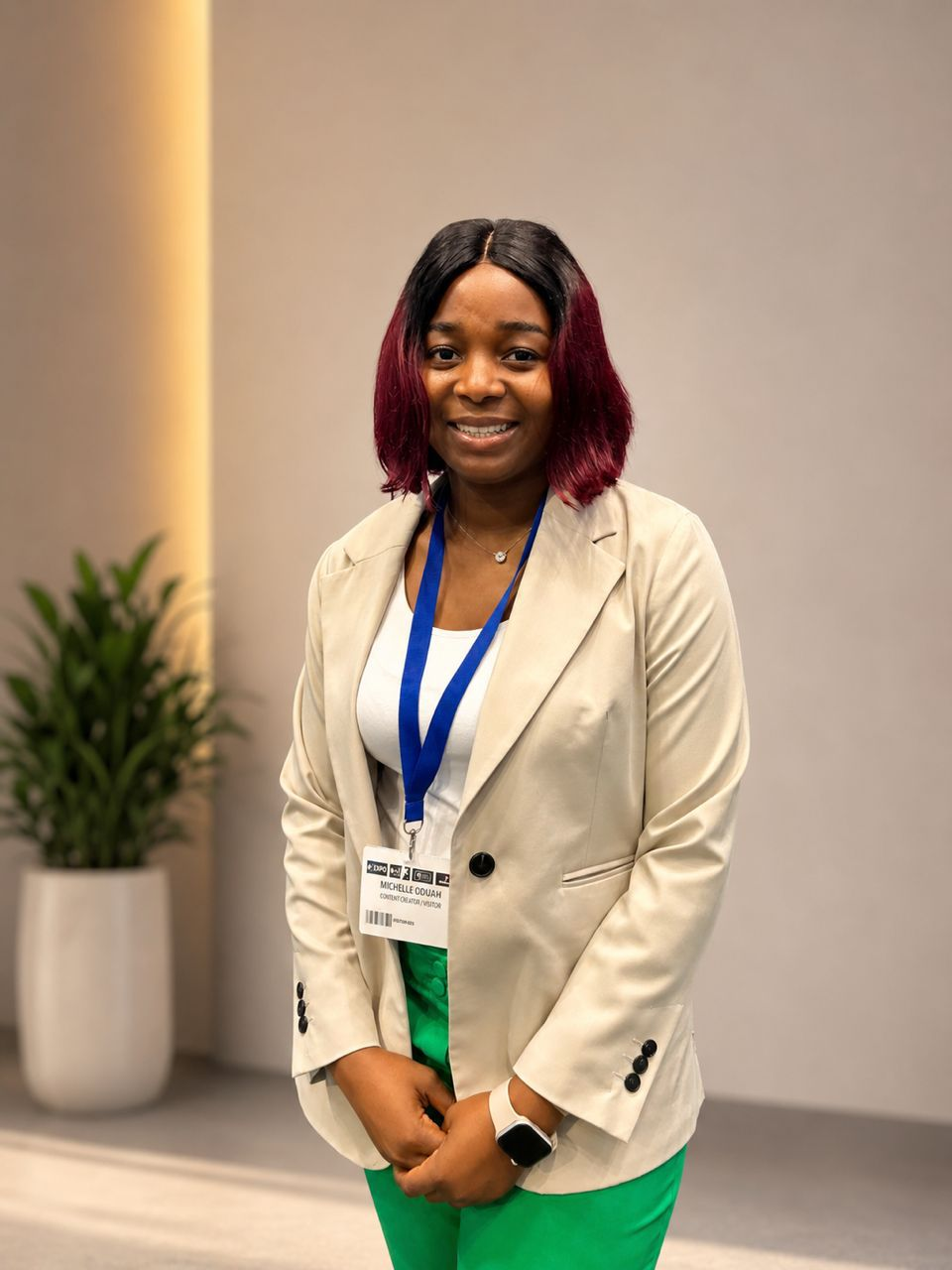 Michelle Oduah
For Oduah, this has turned into a major issue for digital governance and cybersecurity. Digital platforms are now essential infrastructure for modern businesses, she explained during the X Space. For a lot of entrepreneurs and creators, an Instagram or Facebook page is their storefront, their marketing engine, and how they talk to customers. Losing that access overnight without a real person actually reviewing the case can ruin livelihoods.
She emphasized that many people have a very difficult time obtaining a human representation. People are handing over their ID’s and complying with all requests made and their accounts are still being disabled for good reason. It’s like there’s no human oversight in the process, and that poses some serious questions about the fairness or transparency of such AI systems, Oduah said. The expert also cautioned linking accounts, as it creates even more risk, in spite of being convenient.
When everything is connected in one place, a single automated flag can wipe out years of digital history, business tools, and customer communities in one go, she said. That kind of dependency makes businesses very vulnerable. Oduah noted that many business owners now feel like they are building on rented land that could be taken away at any moment without a proper explanation.
The debate rages on regarding the balance between AI and human moderation, and Oduah is calling on tech companies to take action. She wants to see an improvement in user protection, more attractive appeal procedures, and actual human assistance with businesses embroiled in these conflicts.
Entrepreneurs should also take precautions by diversifying, she said, noting that you need to have independent customer databases and not have all of your eggs in one basket. As digital spaces evolve, protection and accountability have to keep up, she concluded. “Technology should help businesses grow, not leave them stuck with automated decisions that they can’t even contest.”
Similar read: Why Data Analytics Is Becoming the Backbone of Modern Education and the Tech Professionals Leading the Shift


You May Also Like

XRP Whales Hold Steady as 68.5% of Supply Concentrated in Large Wallets

Trump Stock Moves Draw Attention After Iran War Market Dip




