

Nigeria SEC Registration: Commodity Finance Rules Tighten

Nigeria’s securities regulator has moved to tighten oversight of commodity-backed finance. It has issued a fresh directive that brings collateral managers and warehouse operators more firmly under capital markets regulation.
Under existing Securities and Exchange Commission (SEC) Nigeria rules on commodity exchanges, warehouse receipt systems and collateral management, Collateral Management Companies (CMCs), Warehouse Operators, and warehouses linked to commodity exchanges or electronic warehouse receipt systems are required to be registered with the SEC. The move targets the core plumbing of Nigeria’s structured trade finance and warehouse receipt market, where inventory quality, custody and documentation underpin lending decisions.
Formalising an Informal Commodity Finance Ecosystem
The directive confirms that these operators already sit within existing SEC rules on commodity exchanges, warehouse receipt systems and collateral management. It stresses that this framework now applies with full force to all market participants. Entities running under informal, transitional or unregistered arrangements must also register. They cannot claim de facto exemption from capital market regulation.
If the SEC issues a circular with a transition timeline, operators will need to comply within the prescribed window. Compliance counts only when a full application is submitted within any stated deadline. Partial filings or slow responses to SEC queries will not qualify. This sets a tight timetable for market players that have grown alongside commodity exchanges, banks and agribusinesses, often ahead of formal regulatory processes.
SEC rules may specify minimum paid-up capital requirements for collateral management entities, which market participants should confirm directly from current SEC regulations. Applicants must provide standard incorporation documents, evidence of financial and technical capacity, audited accounts or a statement of affairs, and a fidelity insurance bond covering the requisite percentage of the minimum paid-up capital.
Warehouse Operators may also be subject to minimum capital requirements under SEC rules, which should be verified directly with the SEC. They must also show adequate storage facilities, security arrangements, suitable weighing and quality control equipment, and comprehensive insurance for facilities, equipment and stored commodities. Documented standard operating procedures for warehousing operations are also required. SEC rules require that capital market operators have sponsored individuals in key roles (e.g., management and compliance), and operators should verify the current numerical requirements directly with the SEC.
Higher Compliance Costs, Lower Risk for Investors and Lenders
The directive raises compliance and capital costs for smaller operators. This is especially true for those central to pre-export finance, agricultural value chain funding and off-take arrangements but with limited balance sheets. However, it also points to a more standardised and bankable collateral ecosystem.
By insisting on registration, minimum capital, governance structures and insurance, the SEC is tightening the risk parameters around warehouse receipts and structured commodity finance. Lenders will gain clearer sight of who stands behind collateral management functions, under what standards, and with what financial backing. Moreover, better-defined responsibilities and higher documentation standards should reduce disputes over quantity, quality and loss of stored goods.
For institutional investors, the Nigeria SEC registration drive signals that commodity-backed instruments and exchange-linked warehouse receipts are moving onto firmer regulatory ground. As a result, this may support the growth of listed commodity contracts, securitised warehouse receipt portfolios and structured notes backed by inventory in Nigeria. Stronger oversight can also help international investors and DFIs align local commodity finance structures with internal risk policies.
Any transition window that the SEC sets for compliance will become a practical test of market readiness and capacity. Investors should track how many CMCs and Warehouse Operators meet the new thresholds and how banks adjust eligibility criteria for collateral managers. It is also worth watching whether commodity exchanges tighten their membership and warehousing standards in response.
Over the next year, the depth and quality of Nigeria’s commodity-backed finance market will depend on how effectively this Nigeria SEC registration push translates into cleaner balance sheets, better disclosure and more scalable transaction structures.
The post Nigeria SEC Registration: Commodity Finance Rules Tighten appeared first on FurtherAfrica.


You May Also Like

BIS and Global Banks Launch Live Blockchain Payment Tests Under Project Agorá
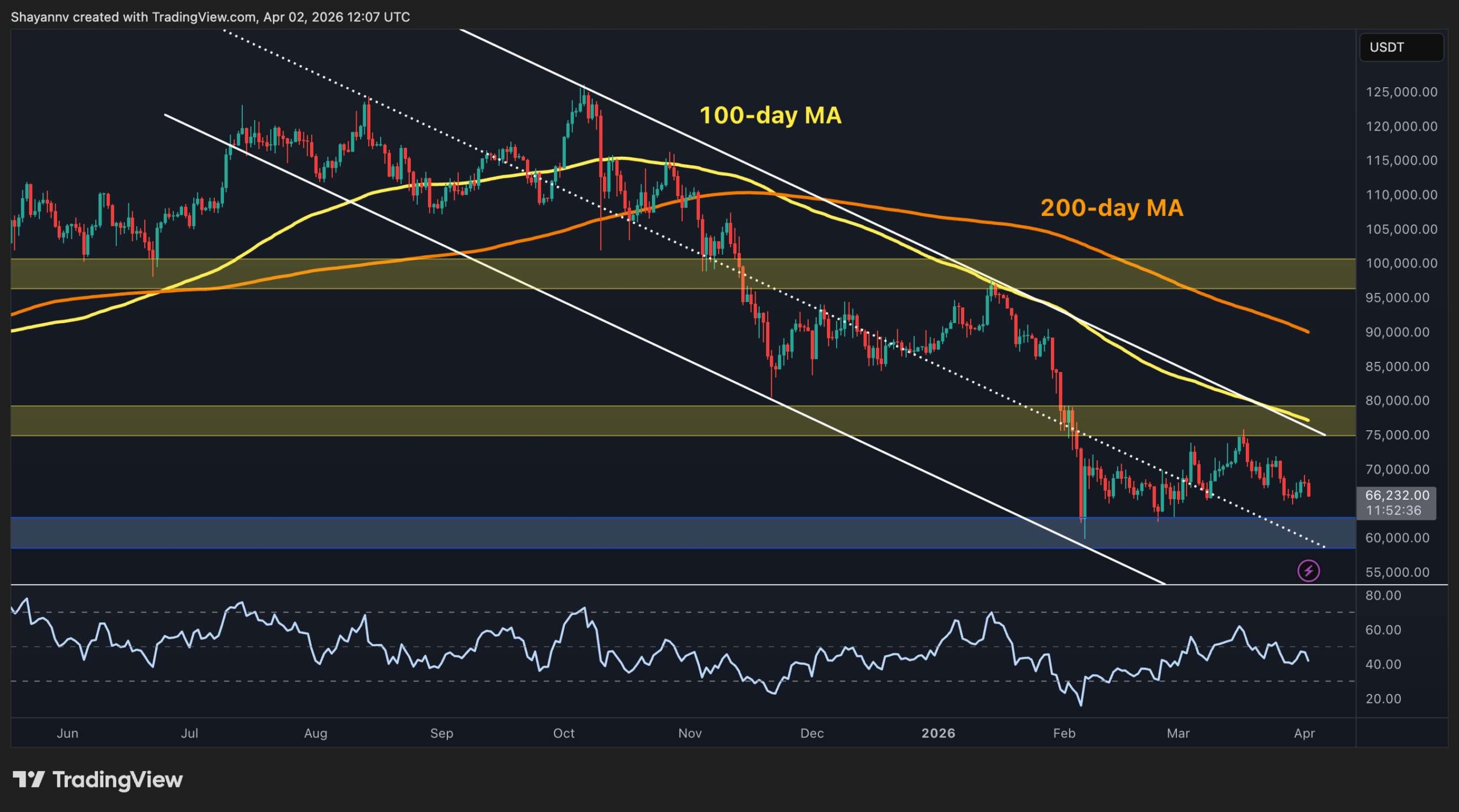
Bitcoin Price Analysis: What’s Next for BTC After Tanking to $66K?

Cardano price today pinned at $0.23 — reclaim $0.24 or risk slide



