

Gold Rebounds From One-Week Low as Israel-Lebanon Truce Weakens Safe-Haven Dollar
BitcoinWorld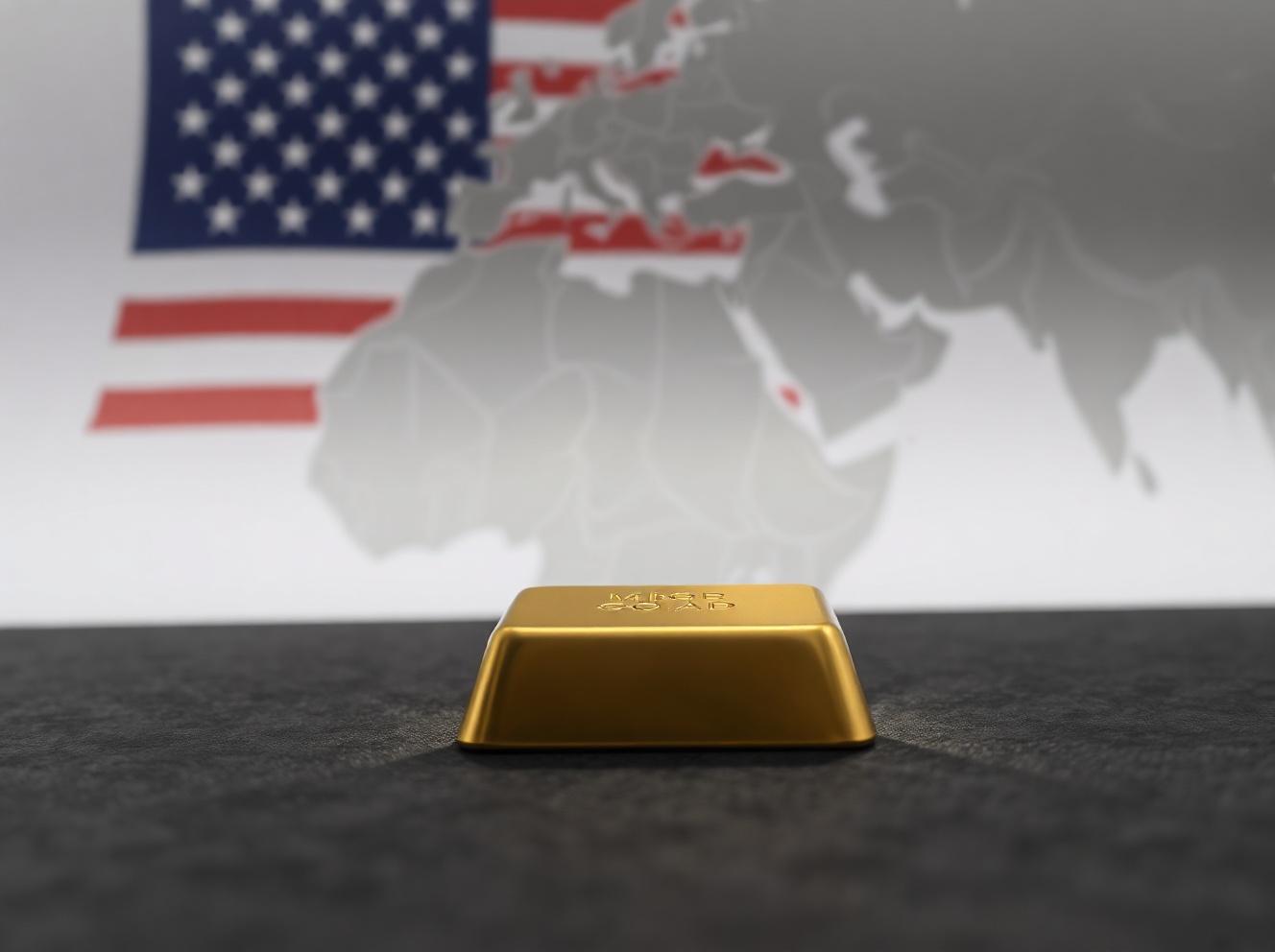
Gold Rebounds From One-Week Low as Israel-Lebanon Truce Weakens Safe-Haven Dollar
Gold prices staged a modest recovery on Tuesday, bouncing back from a one-week low, as a newly announced truce between Israel and Lebanon weighed on the safe-haven U.S. dollar. The yellow metal, which had been under pressure in recent sessions, found renewed buying interest as geopolitical tensions eased, reducing the dollar’s appeal as a避险 asset.
Geopolitical Truce Shifts Market Sentiment
The agreement, brokered by international mediators, calls for an immediate cessation of hostilities along the Israel-Lebanon border. While the region remains fragile, the truce marks the first significant de-escalation in weeks. Market participants interpreted the development as a reduction in immediate geopolitical risk, prompting a rotation out of the dollar and into assets like gold that benefit from a weaker greenback.
Gold, which is priced in dollars, becomes cheaper for holders of other currencies when the dollar declines, boosting demand. The precious metal had fallen to around $2,330 per ounce earlier in the week before rebounding to near $2,355 by midday Tuesday.
Market Reaction and Analyst Perspectives
The dollar index, which measures the greenback against a basket of major currencies, slipped 0.3% on the day, providing a tailwind for gold. Meanwhile, U.S. Treasury yields remained relatively stable, suggesting the move was driven primarily by geopolitical repositioning rather than a shift in monetary policy expectations.
“The truce removes a layer of uncertainty that had been supporting the dollar,” said a senior market strategist at a London-based brokerage. “Gold is benefiting from this realignment, but the rally may be capped if the truce holds and risk appetite improves further.”
What This Means for Investors
For precious metals traders, the immediate takeaway is that gold remains sensitive to geopolitical headlines. The truce does not resolve deeper structural tensions in the Middle East, but it does reduce the likelihood of a broader regional conflict in the near term. This could limit further upside for gold unless new catalysts emerge, such as weaker U.S. economic data or renewed central bank buying.
Long-term holders, however, may view any pullback as a buying opportunity. Central banks globally continue to diversify reserves away from the dollar, and gold’s role as a portfolio hedge remains intact.
Conclusion
Gold’s rebound from its one-week low highlights the metal’s ongoing sensitivity to geopolitical developments and dollar dynamics. While the Israel-Lebanon truce has temporarily weakened the safe-haven dollar, the broader outlook for gold will depend on the durability of the ceasefire and upcoming U.S. economic data. Investors should monitor both fronts for signs of sustained direction.
FAQs
Q1: Why did gold rebound after the Israel-Lebanon truce?
The truce reduced geopolitical tensions, which weakened the safe-haven U.S. dollar. Since gold is priced in dollars, a weaker dollar makes gold cheaper for international buyers, boosting demand and prices.
Q2: How does the dollar’s strength affect gold prices?
Gold and the dollar typically have an inverse relationship. When the dollar strengthens, gold becomes more expensive for foreign investors, often leading to lower prices. A weaker dollar has the opposite effect.
Q3: Should I buy gold now?
That depends on your investment strategy. If you are looking for a short-term trade, the current rebound may be limited. For long-term portfolio diversification and inflation hedging, gold remains a viable option, especially with ongoing central bank purchases and geopolitical uncertainty.
This post Gold Rebounds From One-Week Low as Israel-Lebanon Truce Weakens Safe-Haven Dollar first appeared on BitcoinWorld.


You May Also Like

Kaspa Gained 10.02% in Last Month and is Predicted to Drop to $0.028204 By Apr 06, 2026

Fed Governor Calls For Strong Stablecoin Oversight As CLARITY Act’s Final Text Gets Delayed

Restructuring Enterprise Access With Debdeep Banerjee



