

OpenAI May Delay IPO Until 2027 in Pursuit of $1 Trillion Valuation
OpenAI May Delay IPO Until 2027 as It Targets a $1 Trillion Valuation
OpenAI is reportedly leaning toward postponing its long-anticipated initial public offering (IPO) until 2027, as the artificial intelligence company continues pursuing one of the most ambitious corporate valuations in technology history.
According to reports, OpenAI is targeting a $1 trillion valuation, with Chief Executive Officer Sam Altman reportedly viewing any meaningful reduction from that figure as unacceptable. The reported stance reflects growing confidence in the company's long-term position as artificial intelligence rapidly transforms industries ranging from software development and finance to healthcare, education, manufacturing, and scientific research.
The report has generated significant attention across the technology and investment communities and was also highlighted through updates shared by the official Cointelegraph account on X, illustrating how developments in the AI industry increasingly attract interest from digital asset and financial markets alike.
 |
| Source: XPost |
Why OpenAI Could Delay Its IPO
An IPO delay would allow OpenAI additional time to expand its business, strengthen its technology, and increase revenue before entering public markets.
Technology companies often postpone public listings when executives believe future growth could justify substantially higher valuations.
With demand for enterprise AI continuing to accelerate worldwide, remaining privately held for a longer period could provide greater flexibility for long-term investments while avoiding the short-term earnings pressures associated with publicly traded companies.
Analysts note that OpenAI continues investing heavily in research, infrastructure, advanced computing resources, and global partnerships that require significant capital and long planning horizons.
The Significance of a $1 Trillion Valuation
A valuation of $1 trillion would place OpenAI among the world's most valuable technology companies.
Reaching that milestone would reflect investor expectations that artificial intelligence could become one of the largest technological revolutions since the emergence of the internet and smartphones.
The AI industry has expanded rapidly as businesses adopt intelligent software for automation, software engineering, customer service, cybersecurity, finance, healthcare, education, and creative content production.
Supporters believe companies leading this transformation may command valuations previously reserved for the world's largest technology corporations.
Sam Altman's Long-Term Vision
Sam Altman has consistently argued that artificial intelligence represents a foundational technology capable of reshaping nearly every sector of the global economy.
Rather than focusing solely on short-term financial performance, OpenAI has emphasized long-term research, infrastructure expansion, and the development of increasingly capable AI systems.
The reported preference to maintain a trillion-dollar valuation target suggests management believes future growth opportunities remain significantly larger than current market expectations.
Industry observers note that confidence in AI demand continues strengthening as enterprise adoption accelerates worldwide.
AI Investment Continues Accelerating
Investment in artificial intelligence has surged over the past several years.
Governments, venture capital firms, institutional investors, and major technology companies continue allocating billions of dollars toward AI research, semiconductor infrastructure, cloud computing, robotics, autonomous systems, and enterprise software.
Businesses increasingly view AI as a strategic technology capable of improving productivity, reducing costs, and creating entirely new business models.
This investment environment has contributed to rising valuations across the broader AI ecosystem.
Infrastructure Remains a Competitive Advantage
Building advanced artificial intelligence requires enormous computational resources.
OpenAI continues investing heavily in large-scale computing infrastructure, advanced graphics processors, data centers, model training systems, and cloud partnerships capable of supporting increasingly sophisticated AI models.
Access to high-performance infrastructure has become one of the industry's most important competitive advantages.
Many analysts believe companies capable of securing sufficient computing capacity will maintain stronger positions as AI models continue growing in complexity.
Enterprise Adoption Continues Expanding
Demand for enterprise AI solutions has accelerated across nearly every major industry.
Organizations increasingly deploy AI for software development, customer support, financial analysis, legal research, marketing, cybersecurity, healthcare diagnostics, scientific discovery, and operational automation.
The rapid expansion of commercial AI applications has strengthened investor confidence in the sector's long-term revenue potential.
This growing enterprise demand remains one of the key drivers supporting ambitious valuation expectations for leading AI companies.
Challenges Before Going Public
Despite rapid growth, OpenAI still faces important challenges before any future IPO.
The company continues navigating evolving regulatory frameworks, increasing competition, intellectual property questions, infrastructure costs, and governance considerations.
Public investors will also closely examine profitability, long-term revenue growth, operational efficiency, and the sustainability of AI spending across global markets.
Successfully addressing these issues could significantly influence investor appetite whenever the company eventually enters public markets.
What a Future IPO Could Mean
If OpenAI ultimately proceeds with an IPO, it could become one of the largest public offerings in technology history.
A listing would likely attract significant attention from institutional investors seeking exposure to the rapidly expanding artificial intelligence industry.
It could also reshape broader technology markets by establishing new valuation benchmarks for AI-focused companies.
Market participants believe a successful public offering would further reinforce artificial intelligence as one of the defining investment themes of the coming decade.
Looking Ahead
Although reports suggest OpenAI is considering delaying its IPO until 2027, the company's reported pursuit of a $1 trillion valuation reflects growing confidence in the long-term commercial potential of artificial intelligence.
As enterprise adoption continues expanding, infrastructure investments increase, and AI technologies become more deeply integrated into global business operations, OpenAI appears focused on maximizing long-term value rather than rushing into public markets.
Whether the company ultimately reaches its ambitious valuation target remains uncertain, but its reported strategy underscores the extraordinary expectations surrounding the future of artificial intelligence and its impact on the global economy.
hokanews.com – Not Just Crypto News. It’s Crypto Culture.
Writer @Ethan
Ethan Collins is a passionate crypto journalist and blockchain enthusiast, always on the hunt for the latest trends shaking up the digital finance world. With a knack for turning complex blockchain developments into engaging, easy-to-understand stories, he keeps readers ahead of the curve in the fast-paced crypto universe. Whether it’s Bitcoin, Ethereum, or emerging altcoins, Ethan dives deep into the markets to uncover insights, rumors, and opportunities that matter to crypto fans everywhere.
Disclaimer:
The articles on HOKANEWS are here to keep you updated on the latest buzz in crypto, tech, and beyond—but they’re not financial advice. We’re sharing info, trends, and insights, not telling you to buy, sell, or invest. Always do your own homework before making any money moves.
HOKANEWS isn’t responsible for any losses, gains, or chaos that might happen if you act on what you read here. Investment decisions should come from your own research—and, ideally, guidance from a qualified financial advisor. Remember: crypto and tech move fast, info changes in a blink, and while we aim for accuracy, we can’t promise it’s 100% complete or up-to-date.


You May Also Like

What is On-Demand Liquidity? How Ripple uses XRP to move money

Goldman Sachs’ 1 Delta Desk Warns AI’s Greatest Threat Is the Reflexive Loop
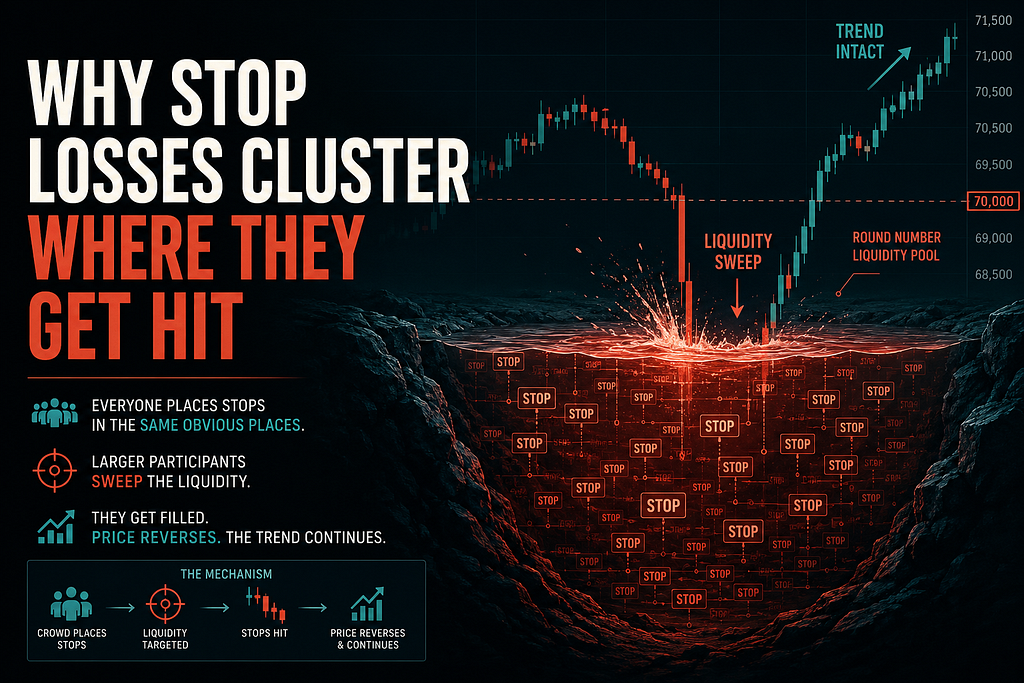
Why Stop Losses Cluster Where They Get Hit



