

Goldman Sachs revamps recession odds after oil shock fades
Americans were bracing for a nastier summer economy.
Naturally, the sentiment was that the Middle East oil shock would continue pushing gas prices higher, keep inflation sticky, pressure consumers, and make the Federal Reserve even harder to predict.
In a new note shared with me, though, Goldman Sachs now says that the danger has eased.
The bank argues that the U.S.-Iran agreement has reduced downside risks to the economy, with lower energy prices and a labor market showing more resilience than expected. Americans worried oil would reignite inflation, but Goldman sees cheaper gas helping real income instead.
It’s far from an "all-clear" call, though, as Goldman still sees moderating growth, a pressured consumer, and a Fed communication problem that could make markets a lot more volatile.
So the story moves from recession panic to the question of whether the soft landing can survive its next test.
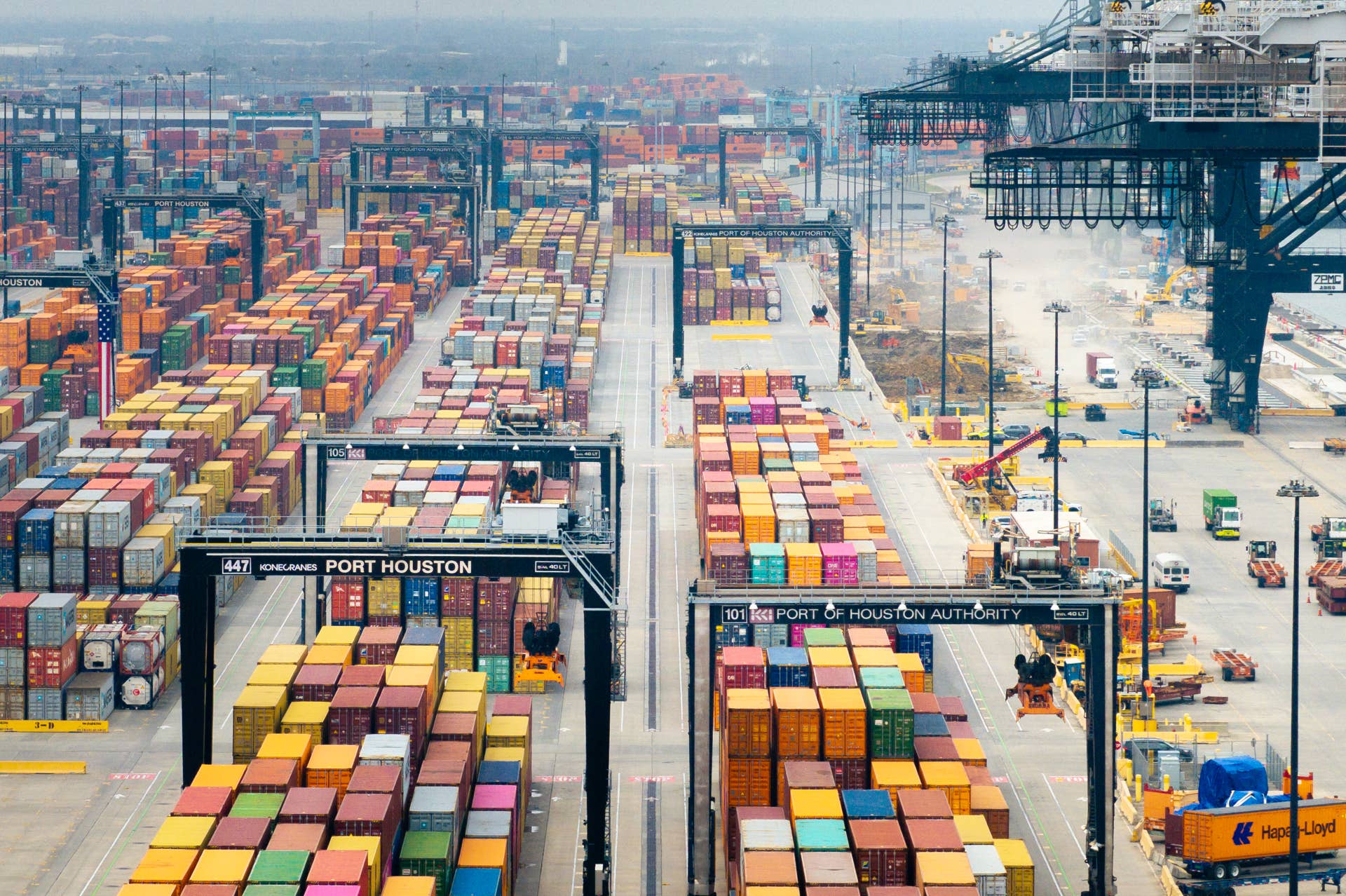 Goldman Sachs recession risk outlook shows lower U.S. recession odds after the oil shock fades and energy prices ease.
Brandon Bell&solGetty Images
What Goldman Sachs says about recession risk
Goldman Sachs just made a big change to its U.S. recession call.
The bank cut its 12-month recession-risk estimate to 15%, down from 25% after the Iran-led oil shock.
Goldman said that steers the probability back to its long-term norm. Moreover, the new estimate is also below the 20% level it assigned on the eve of the war, with the labor market showing greater underlying resilience.
The big reason is oil. Goldman said the U.S.-Iran agreement has reduced downside risk to its economic outlook.
Its commodities strategists now see Brent crude at $80 a barrel by the end of 2026, though the bank stressed that risks still run in both directions.
More Economy:
- JPMorgan sends another message on strait of Hormuz, oil prices
- Warren Buffett has a message on energy prices for all Americans
- Goldman Sachs sends strong message on next Fed rate cut
Oil flows could recover sluggishly if tensions around the Strait return, while a near-term glut could also develop if supply is released quickly into an already oversupplied market.
Goldman also nudged its second-half GDP growth forecast to 2%, citing lower gasoline prices, higher real income, AI-related equity wealth, and solid capital spending.
On the flip side, Goldman expects real consumer spending growth of just 1.5%, and payroll gains are expected to slow from an 188,000 three-month pace to just below its 60,000 breakeven estimate.
Key numbers behind Goldman’s recession-risk reset
- Goldman’s main shift is its recession call: It cut the 12-month U.S. recession probability from 25% to 15%, back to the long-term norm as oil-shock risks eased.
- Oil is the driver behind the reset. Goldman now sees Brent crude at $80 a barrel by the end of 2026, reducing the threat from the Iran shock.
- Growth improved, but only slightly. Goldman raised its second-half GDP forecast to 2%, helped by cheaper gas, AI wealth effects, and strong capex.
- Consumers remain the weak spot. Goldman expects real consumer spending growth of just 1.5% as temporary tax-related support fades.
- The labor market looks softer under the surface. Goldman expects payroll growth to slow from a 188,000 three-month pace to just below its 60,000 breakeven estimate.
- Inflation may cool enough for the Fed to wait. Goldman sees core CPI averaging 0.17% over the next three months, though core PCE could stay stickier.
Source: Goldman Sachs note titled “Global Views: More Crude, Less Concern”.
What lower gas prices mean for consumers and inflation
Lower gasoline prices offer the economy a lot more breathing room.
The bank argued that the steep drop in gas prices so far in June will help push down seasonally adjusted consumer prices.
For perspective, energy was the primary driver of the inflation problem in the latest CPI report. In May, the CPI energy index rose 3.9%, gasoline prices jumped 7%, and energy accounted for more than 60% of the monthly increase in headline CPI.
Related: Hot May CPI sticks a pin in Fed rate-cut bets
To add to that, AAA showed the national average for regular gasoline at about $3.92 a gallon on June 25, down from roughly $4.51 a month earlier. That gives consumers some cash-flow relief just as higher prices, borrowing costs, and fading tax-related support are pressuring spending.
Nevertheless, there’s still plenty to consider with the inflation story.
The latest PCE report showed headline inflation running at 4.1% year over year in May, while core PCE rose 3.4%. That keeps the Fed cautious even if pump prices fall.
That said, Goldman’s argument is that cheaper gas can quickly cool headline inflation, support real income, and reduce recession risk.
What investors should watch next as Fed risk returns
The Goldman Sachs note also makes it clear that the Fed has become a bigger market risk.
The bank said the first FOMC meeting under Chairman Kevin Warsh was more hawkish than expected.
Half of the officials submitting projections penciled in at least one rate hike this year, while Goldman’s baseline remains no hikes if inflation cools and growth stays muted.
A lower recession risk normally supports stocks, but a more hawkish Fed can quickly offset that by keeping borrowing costs elevated, pressuring housing, slowing hiring, and making growth stocks (trading at nosebleed levels) harder to justify.
Earlier in the cycle, investors were focused on when rate cuts would arrive. Now, as I covered this week, BofA expects three hikes this year, while Deutsche Bank expects two.
The next test is whether falling energy prices cool inflation fast enough to keep the Fed on hold.
Related: 5-star analyst sets jaw-dropping AMD stock price target


You May Also Like

Gold continues to hit new highs. How to invest in gold in the crypto market?

Thailand’s AI-Driven Growth Faces a 2027 Slowdown, Warns HSBC

BitGo Launches Stablecoin Minting and Redemption Service for Institutions



