

Polymarket Hack Exposes Users As Crypto Exploit Losses Rise

Key Insights
- Polymarket said attackers compromised a third-party frontend vendor.
- Users faced phishing losses after malicious code reached wallets.
- Crypto exploit activity stayed high across the second quarter.
A Polymarket hack hit users Thursday after attackers compromised a third-party vendor and injected malicious code. The frontend breach affected several wallets and forced the prediction market to promise full refunds.
The incident added pressure to Polymarket as crypto security reports showed a crowded quarter for exploits. The platform said it contained the compromise and removed the affected dependency.
Polymarket Hack Raised Frontend Risk
Polymarket said on X that the breach came through a vendor dependency. The company said attackers placed a malicious script on its frontend for some users. It added that affected users would receive full refunds after the issue was contained.
<img src=”https://www.thecoinrepublic.com/wp-content/uploads/2026/06/b510ed7283fa1f06b2467d9db7d8d276d113bb2b4c56b24affb85a35cf8c76ad.png” alt=”Source: Specter“>Source: SpecterBlockchain analyst Specter said the script supported a phishing flow that drained funds from user wallets. The analyst estimated losses at $2.94 million across at least 11 wallets. That figure remained separate from Polymarket’s statement, which did not confirm the amount.
The attack mattered because users often treat frontends as safer than direct contract use. A compromised interface can redirect approvals without changing core smart contracts. That structure gave attackers room to exploit trust at the application layer.
The Polymarket hack also followed a prior internal-key incident disclosed about one month earlier. Engineering vice president Josh Stevens said that case involved an old private key. He said the platform later revoked related permissions and protected user funds.
This latest Polymarket news showed a different weakness. The breach did not depend on a protocol-level contract failure. Instead, it showed how supply-chain access can expose users before blockchain settlement.
Polymarket News Meets Crypto Exploit Surge
DefiLlama data recorded the attack as a frontend vulnerability tied to infrastructure. Its hacks database listed Polymarket International with $3 million in losses on Polygon. The entry placed the incident among late June attacks tracked by the platform.
 Total value hacked 1-year chart. Source: DefiLlama.
June losses across crypto exploits reached $74.9 million across 29 reported incidents. That total topped May’s $60.5 million but stayed below April’s $644 million. The data showed exploit frequency remained elevated despite lower aggregate losses.
The largest June cases included Humanity Protocol, Secret Network, Aztec, and Taiko. Those incidents covered bridges, infrastructure, and application-level targets. That spread showed attackers did not rely on one weakness.
Private key compromise led to attack vectors over the past 30 days. DefiLlama assigned that category to 43% of tracked exploit losses. Fake proof exploits and reverse Miner Extractable Value honeypots followed in the dataset.
The Polymarket hack sat outside the largest monthly incidents by value. Still, it carried reputational weight because prediction markets depend on wallet trust. Users must believe each transaction prompt matches the action shown onscreen.
That trust weakens when attackers compromise vendor code before wallet confirmation. Even experienced users can miss malicious routing when interfaces appear normal. The case shifted attention from contract audits to dependency controls.
Polymarket Refunds Test Platform Controls
Polymarket said it contacted affected users after containing the breach. The company said it would refund them in full. That response limited immediate user losses, but it did not remove vendor-risk questions.
 Source: DefiLlama
The platform held over $450 million in total value locked, per DefiLlama. That was up 301% from $112 million one year earlier. Larger balances can raise the reward for attackers targeting interface dependencies.
Prediction markets face higher scrutiny because users often move funds quickly. Frontend safety becomes central when users trade during fast-moving news events. A delayed warning can leave wallets exposed before users see platform updates.
The breach showed why dependency review matters for consumer crypto platforms. Vendor scripts can sit outside core protocol audits. Attackers can also target these tools because they touch live users directly.
Polymarket’s refund pledge may reduce near-term fallout. However, repeated incidents could pressure the company to disclose more technical details. Users and researchers may watch whether it names the vendor or adds safeguards.
The next test for Polymarket will be user activity after refunds. If user balances stabilize, the breach may stay contained. If outflows rise, the hack could become a wider confidence issue.
The post Polymarket Hack Exposes Users As Crypto Exploit Losses Rise appeared first on The Coin Republic.


You May Also Like

Crypto Expert Says Dogecoin Is A Weak Altcoin You Do Not Want To Be Holding, Here’s Why
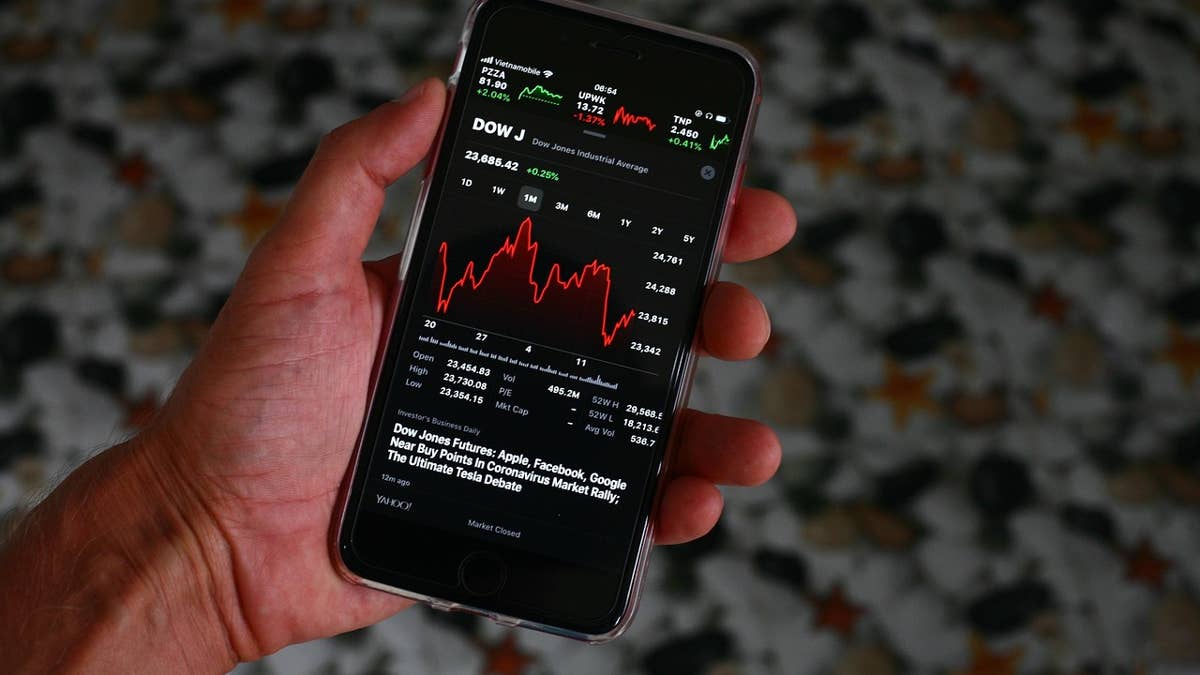
Why Investors Still Look at the Dow Jones First

Japanese Tech Giant’s Ambitious Bitcoin Accumulation


Trending News
More24/7 Live News
MoreQuick Reads
More
