

Solana is moving closer to one of its most significant consensus upgrades yet, with Alpenglow now entering public-testnet testing. The upgrade targets transaction finality of roughly 150 milliseconds,Solana is moving closer to one of its most significant consensus upgrades yet, with Alpenglow now entering public-testnet testing. The upgrade targets transaction finality of roughly 150 milliseconds,
Solana Eyes 150ms Finality as It Pushes for Faster Crypto Payments

Solana is moving closer to one of its most significant consensus upgrades yet, with Alpenglow now entering public-testnet testing. The upgrade targets transaction finality of roughly 150 milliseconds, down from about 12.8 seconds today, potentially changing how quickly exchanges, merchants and payment platforms can treat blockchain transactions as irreversible.
The development is particularly important for crypto payments, where processing a transaction quickly is only part of the equation. Businesses also need confidence that a payment has reached irreversible finality before releasing goods, services or funds.
1.Solana’s 150ms Finality Target Explained
Solana already processes transactions rapidly, but execution speed and finality are not the same thing. A transaction can be confirmed relatively quickly while still requiring additional time before the network considers the underlying block fully irreversible. Solana’s current TowerBFT consensus system reaches full finality after votes accumulate across 32 slots, taking roughly 12.8 seconds.
Alpenglow is designed to change that process at the consensus layer. Instead of relying on the existing TowerBFT voting structure, the upgrade introduces Votor, allowing validators to communicate votes directly and potentially finalize blocks after one or two rounds. The result is a targeted finality time of around 150 milliseconds.
The distinction matters because 150ms does not mean every part of a crypto payment ecosystem will suddenly operate in 150 milliseconds. Wallet interfaces, exchanges, payment processors, compliance systems and fiat conversions can still introduce delays. What Alpenglow targets is the blockchain’s own settlement certainty.
2.Why Faster Finality Matters for Crypto Payments
For merchants, faster finality could make blockchain payments feel considerably closer to conventional digital transactions. A business accepting stablecoins does not simply need to see a transaction appear on-chain; it needs confidence that the payment cannot subsequently be reorganized or reversed at the network level. Reducing that uncertainty to a fraction of a second could make Solana more practical for point-of-sale and online payments.
The same principle applies to exchanges and financial platforms. Solana’s own enterprise documentation notes that exchanges and other infrastructure can use transaction confirmation and settlement events to trigger operational processes. Faster finality could therefore reduce the time between receiving an on-chain payment and crediting or releasing assets.
Stablecoins could be one of the clearest beneficiaries. Solana already supports major stablecoin payment rails including USDC, USDT, PYUSD and EURC, while its payment infrastructure supports fee-payer systems that can allow users to transact without separately holding SOL for transaction fees. Faster finality could strengthen the network’s appeal for these use cases.
3.Alpenglow Changes Consensus, Not How Users Transact
One important detail is that Alpenglow is not a complete redesign of Solana’s execution environment. Solana says the upgrade leaves the SVM, transactions, programs and fees unchanged. In practical terms, users are not expected to learn a new way of sending SOL or tokens simply because the consensus mechanism changes.
That distinction could be important for developers. If applications can benefit from faster finality without rebuilding their payment infrastructure from scratch, the upgrade may have a smoother path into existing wallets, exchanges and merchant systems. However, individual platforms will still decide how much confirmation time they require before treating a transaction as settled.
4.The Upgrade Is Still Being Tested
Despite the headline-grabbing 150ms target, Alpenglow is not yet a live mainnet feature as of September 23. Developers have begun moving the upgrade onto Solana’s public testnet, where validators can test the new consensus system under conditions that more closely resemble the production network.
Validators participating in the migration need the Agave 4.3 software release. The testing process is important because a consensus upgrade has to coordinate a large network of independent validators, infrastructure providers and applications. Solana has already tested Alpenglow on a dedicated environment before moving toward broader public testing.
The timeline should therefore be treated carefully. A September 28 date has appeared as a tentative milestone for enabling Agave 4.3 features on mainnet, but that does not represent a confirmed Alpenglow launch date. Solana’s own upgrade tracker currently lists Alpenglow as still in development, with roughly 150ms remaining a target rather than a demonstrated mainnet performance figure.
5.Could 150ms Change Solana’s Payment Role?
If Alpenglow reaches its target reliably, the biggest change may be less about making Solana transactions “faster” and more about making blockchain settlement feel less noticeable. A merchant could potentially receive irreversible payment confirmation almost immediately, while exchanges and financial applications could shorten internal settlement windows.
It could also strengthen Solana’s position in competition for stablecoin payments and other high-frequency financial applications.
Conclusion
Solana’s Alpenglow upgrade represents a major attempt to push blockchain finality into sub-second territory. Its roughly 150ms target would represent a dramatic reduction from today’s approximately 12.8-second full-finality window.
For payments, that could matter more than raw transaction throughput. If the upgrade performs as intended on mainnet, Solana could offer businesses a faster settlement layer for stablecoins, exchanges and other financial applications. For now, however, the technology remains in testing, making the public-testnet rollout the key milestone to watch.
FAQs
Q1:What is Solana’s Alpenglow upgrade?
Alpenglow is Solana’s upcoming consensus upgrade designed to replace TowerBFT and target transaction finality of around 150 milliseconds.
Q2:Is Solana already achieving 150ms finality?
No. As of September 23, 2026, Alpenglow is being tested on Solana’s public testnet. The 150ms figure is a target for the upgraded network.
Q3:Why does finality matter for crypto payments?
Finality tells merchants, exchanges and other platforms when a transaction can be treated as irreversible. Faster finality can reduce settlement waiting times and associated operational risk.
Q4:Will Alpenglow change how users send Solana transactions?
The upgrade is designed to change Solana’s consensus mechanism rather than its execution environment. Solana says the SVM, transactions, programs and fees remain unchanged.
Disclaimer: This article is for informational purposes only and does not constitute financial or investment advice. Network upgrade timelines and technical targets can change during testing and deployment.
市场机遇
Notcoin实时价格 (NOT)
$0.0005065
$0.0005065$0.0005065
USD
Notcoin (NOT) 实时价格图表
本页面分享的文章均源自公开平台,仅供参考。该内容不代表 MEXC 的立场或观点。所有版权归 Mubashir 所有。如果您认为任何内容侵犯了第三方的权益,请联系 service@support.mexc.com 以便及时删除。 MEXC 不保证任何内容的准确性、完整性或及时性,且不对基于所提供信息而采取的任何行动负责。本内容不构成财务、法律或其他专业建议,亦不应被解释为 MEXC 的推荐或认可。如需专家见解和深入分析,请造访 MEXC 学院。
Notcoin 最新动态
查看更多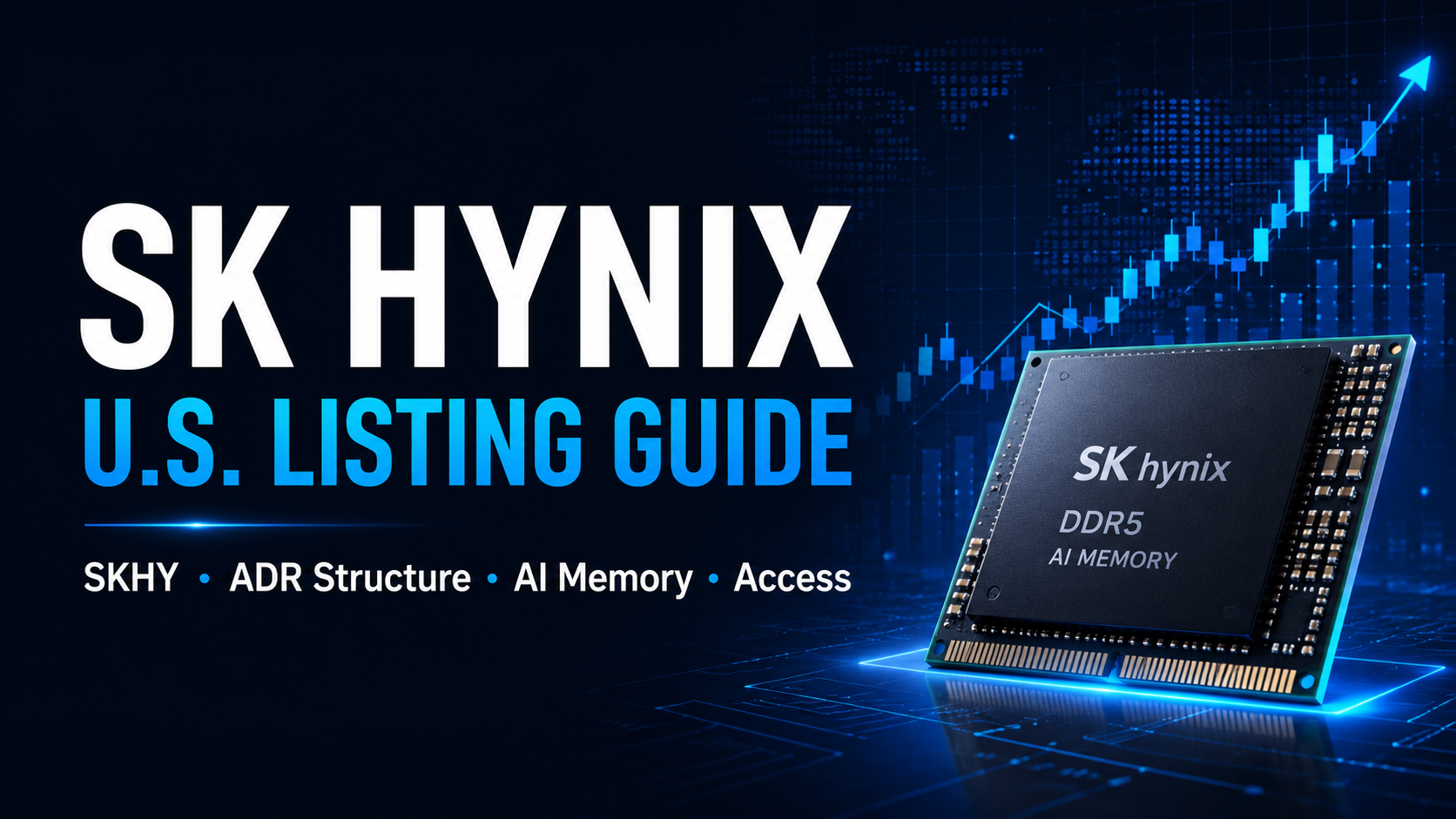
SK Hynix(SK海力士)美国上市指南:SKHY上市日期、ADR结构、AI内存投资与MEXC交易入口
SK Hynix(SK海力士)的美国市场首秀即将到来,这为全球投资者提供了一个全新的入口,让大家能更直接地布局这家AI内存供应链中的核心巨头。这家韩国半导体制造商已启动一项大规模的美国股票发售计划,预计将以 SKHY 为代码,通过美国存托凭证(ADR)的形式在纳斯达克挂牌上市。
据路透社报道,SK Hynix计划通过此次ADR发行筹集约43万亿韩元(约合280.7亿美元)的资金。公司计划发行1779万股新股,每10份ADR相当于1股普通股。最终定价预计将在7月9日敲定,随后预计于7月10日在纳斯达克迎来首日交易。
这次上市之所以备受瞩目,是因为SK Hynix绝不只是一家普通的“赴美上市外国公司”。它是全球领先的高带宽内存(HBM)供应商,而HBM正是目前驱动AI加速器和现代数据中心运转的最核心命脉。这次在美国开通交易入口,不仅能扩大SK Hynix的投资者群体,让美国机构买卖起来更方便,更是为了测试市场是否愿意为这家“AI内存一哥”给出更高的估值(即流动性溢价)。
但与此同时,投资者也不能把这次上市当成闭着眼赚钱的“送分题”。此次发行包含新发行的股票,且正好赶在AI内存板块经历了一轮大涨之后;更重要的是,目前市场正高度警惕半导体行业的巨额资本支出(Capex)、产能盲目扩张以及未来周期可能见顶的风险。
2026/07/08
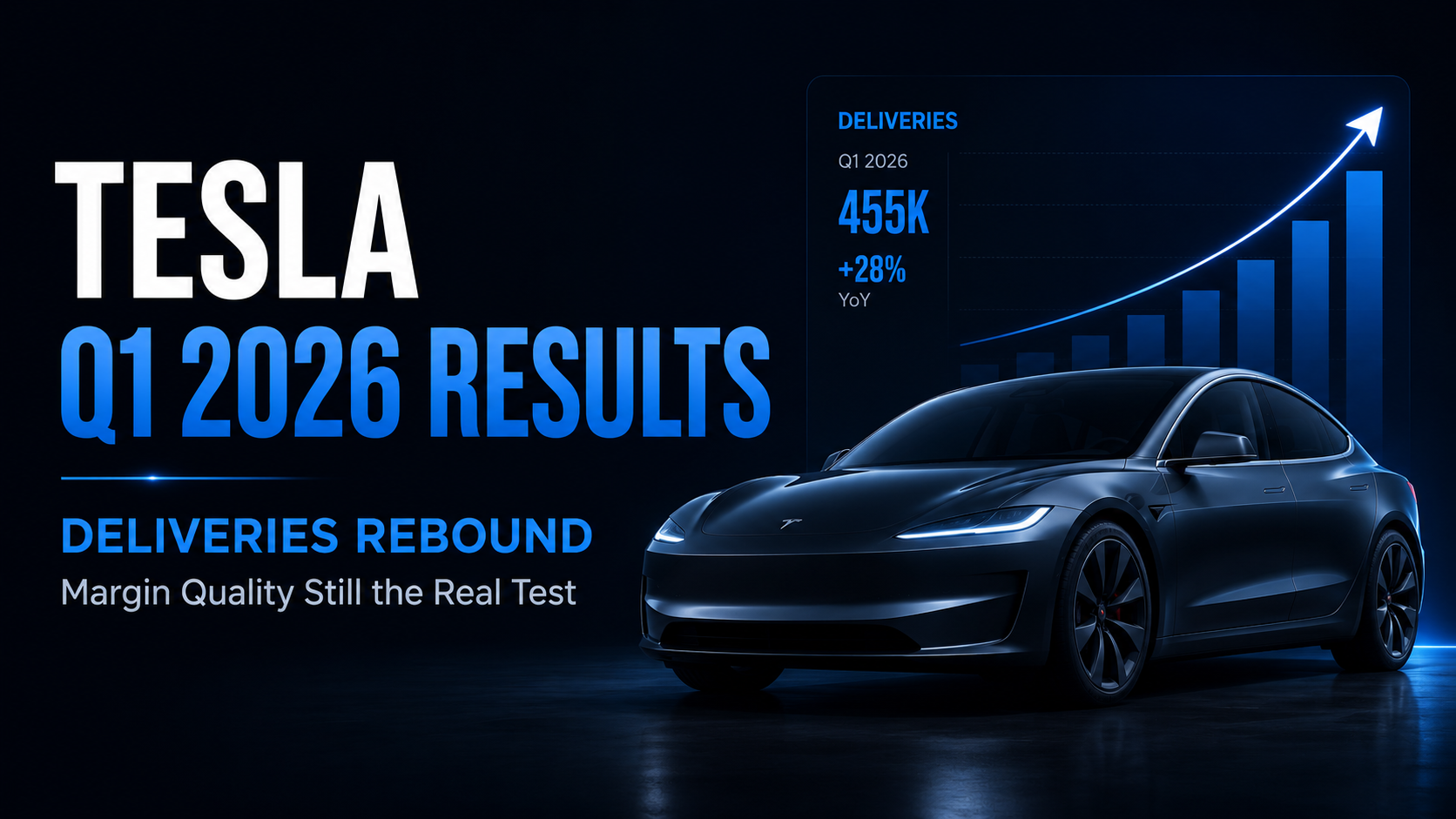
特斯拉2026年第一季度财报回顾:交付量反弹,但利润率质量仍是真正的考验
特斯拉于2026年4月22日美国股市收盘后公布了其2026年第一季度的财务业绩。该公司本季度交付了358,023辆汽车,创造了224亿美元的总营收,并报告归属于普通股股东的GAAP净利润为4.77亿美元。总GAAP毛利率提升至21.1%,而营业利润率达到4.2%。
核心信号不仅在于特斯拉的交付量从去年同期的疲软基数中恢复。更重要的问题是:更高的交付量、FSD相关营收、更低的单车成本以及改善的汽车毛利率,能否重建市场对特斯拉盈利能力的信心。对于寻找下一次TSLA财报日期或关注特斯拉财报的投资者来说,第一季度的表现为第二季度设立了一个关键考验:即销量的增长能否可持续地转化为更高质量的收益。
2026/07/09
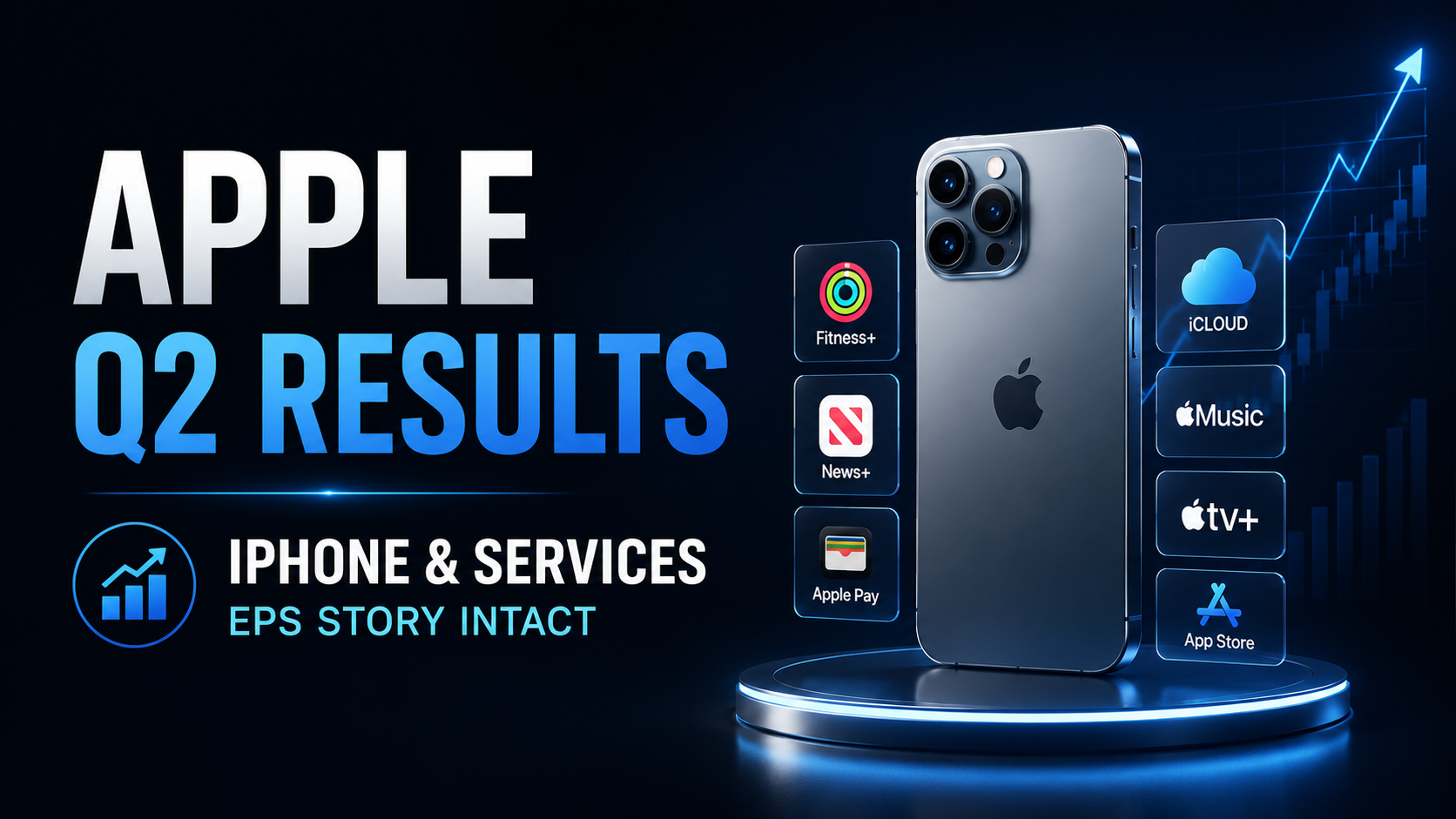
苹果 2026 财年第二季度财报回顾:iPhone 营收与服务业务增长维持 EPS 预期
苹果于 2026 年 4 月 30 日发布了 2026 财年第二季度财报,涵盖截至 2026 年 3 月 28 日的季度。总营收达到 1112 亿美元,同比增长 17%,摊薄后每股收益(EPS)增长 22% 至 2.01 美元。苹果表示,该季度创下了公司 3 月份季度的总营收、iPhone 营收和 EPS 纪录,同时服务业务营收也创下历史新高。
这不仅仅是一份常规的硬件周期财报。苹果第二季度的业绩证明,iPhone 需求、服务业务增长以及积极的资本回报计划仍在共同支撑着该公司强大的 EPS 增长故事。对于寻找下一个苹果财报或 AAPL 财报更新的投资者而言,未来的关键问题是,在市场等待更强劲的 AI 和产品周期催化剂之际,苹果能否维持其溢价估值。
2026/07/09


您可能也会喜欢
热门
目前热门备受市场关注的加密货币
加密货币价格
按交易量计算交易量最大的加密货币