

Key TakeawaysBitcoin (BTC) fell to an intraday low near $82,700 on Monday, September 28, 2026 and trades around $83,000 to $83,500, down about 1.6% in 24 hours, after President Trump rejected Iran's sKey TakeawaysBitcoin (BTC) fell to an intraday low near $82,700 on Monday, September 28, 2026 and trades around $83,000 to $83,500, down about 1.6% in 24 hours, after President Trump rejected Iran's s
Bitcoin Slips to $83,000 on Iran Risk as Q4 Begins: Why the Fourth Quarter Is Historically Crypto's Strongest, and What Could Break the Pattern

Key Takeaways
Bitcoin (BTC) fell to an intraday low near $82,700 on Monday, September 28, 2026 and trades around $83,000 to $83,500, down about 1.6% in 24 hours, after President Trump rejected Iran's seven day proposal and declined to rule out further strikes before the midterm elections.
The pullback follows a failed test of $85,100 over the weekend and comes with a stronger dollar, higher bond yields and crude oil back above $93 a barrel. Ethereum slipped to about $2,650, Solana to $119 and XRP to $1.48, the weakest major, down 5.6% since Friday.
Flows tell a different story from price: US spot Bitcoin ETFs logged seven consecutive days of inflows and roughly $2.4 billion for the week, while Solana ETFs drew a record $188 million, two thirds of it through Bitwise.
Leverage is quietly draining rather than building. Bitcoin futures open interest fell 1.7% over two days to $54.3 billion, longs made up 83% of Monday's $84 million in liquidations, and Ethereum positioning is lopsided with about 74% of Binance accounts long.
The fourth quarter starts Wednesday, October 1. Historically it is crypto's strongest stretch, and Bitcoin has now defied the September curse for a fourth straight year, but Friday's jobs report, Iran headlines and a Fed that just hiked are the tests standing between the pattern and the price.
Why Bitcoin Is Down Today
The weekend was uneventful until Asia opened on Monday. Bitcoin drifted between roughly $84,100 and $84,500 through Saturday and Sunday, briefly touching about $85,160 before failing to hold the level. Then comments from Washington changed the tone. President Trump rejected a seven day plan put forward by Iran and declined to rule out additional strikes ahead of the midterm elections, and the response across markets was immediate: crude oil rose about 1% to roughly $93 a barrel, Treasury yields climbed, the dollar firmed, and Nasdaq futures fell alongside crypto. Bitcoin dropped to an intraday low near $82,680 before steadying, and later in the session oil gave back much of its gains on a report of renewed deal hopes, pulling Bitcoin off its worst levels.
The selling was broad but orderly. Ethereum fell about 2% to $2,650, Solana 1.8% to $119 and XRP 2.5% to $1.48, extending a 5.6% slide since Friday that made it the weakest major of the weekend. It is the same macro reflex that has governed crypto all year: rising oil feeds inflation fear, inflation fear lifts yields and the dollar, and yield free risk assets lose their shine, a dynamic that a Federal Reserve which just delivered its first hike since 2023 has only sharpened.
The Flows Say Something Different
Under the price, institutional demand has been strong. US spot Bitcoin ETFs recorded about $134 million of net inflows on September 25, their seventh consecutive day of buying, and roughly $2.4 billion for the week. Solana ETFs drew a record $188 million over the same period with Bitwise capturing about two thirds, and spot Ethereum ETFs stayed positive as Bitmine added another $47 million of ETH to reach 4.9% of supply. Even the Bitget hack, one of the largest exchange thefts on record, failed to dent the flow picture. The sentiment gauge reflects that resilience, with the Fear and Greed Index at 74, comfortably in greed.
Positioning, however, has cooled from the euphoria of last week's run to $87,000. Bitcoin futures open interest slipped 1.7% over two days to $54.3 billion, Ethereum open interest held near $34 billion, and Monday's $84 million in liquidations were 83% longs, a modest flush rather than a cascade. CoinDesk's derivatives read is that overall demand for leveraged exposure remains weak and the capital still in the market skews toward bearish positions, which cuts both ways: less fuel for a squeeze higher, but also less leverage to unwind on a shock. Ethereum is the exception, with about 74% of Binance accounts long and a long to short ratio near 2.8, an imbalance that would amplify any downside move in ETH.
The Fourth Quarter Pattern
Wednesday, October 1 opens the quarter that Bitcoin bulls circle every year. The fourth quarter has historically been crypto's strongest period, and Schwab's head of crypto research Jim Ferraioli noted this week that it typically follows a weak September, which is precisely the setup now. Seasonality data compiled ahead of last year's fourth quarter showed October finishing red only once in the preceding decade, in 2018, with returns of at least 11% in seven of those years. This year adds a twist: September, historically Bitcoin's worst month, is closing green for the fourth consecutive year, with the price roughly 5% higher than it started the month despite a rate hike, a failed crypto bill and a $387 million exchange hack.
Seasonality is a tendency, not a guarantee, and the counterexamples are recent. The fourth quarter of 2025 began at an all time high above $126,000 and ended in a crash, and the first quarter of this year extended it. What makes the current setup different from a year ago is where the cycle sits: Bitcoin is about 34% below its peak rather than at it, ETF flows have turned positive after a negative first half, and analysts at Bitwise argue prices are only now catching up to fundamentals that improved throughout the drawdown.
What Could Break It
Three forces could override the calendar. The first is geopolitics: every escalation with Iran has lifted oil and hit crypto within hours, and Trump's refusal to rule out strikes keeps that channel open. The second is the Fed, which hiked in September and has told markets to trade the data; Friday's employment report is the first major print of the quarter and could reset October rate expectations in either direction. The third is the market's own structure: the September 15 cloture failure pushed the CLARITY Act into 2027, the SEC delayed its decision on crypto ETF options listing standards to November 11, and a rally that has already run from $57,500 in July to $87,000 needs fresh spot demand, not just an absence of sellers, to extend. Support sits at $83,200 to $83,500 with the $80,000 level below; resistance is $84,500 and then the $85,100 to $85,300 zone that rejected the weekend push.
What It Means for Traders on MEXC
The quarter opens with a supportive calendar, positive flows and a market that has stopped chasing leverage, which is a healthier base than a crowded long tape. Traders can follow the live BTC/USDT price on MEXC, set alerts at $83,200 and $85,300, keep an eye on ETH/USDT given the lopsided positioning, and use stop loss and take profit orders on MEXC Futures to predefine risk ahead of Friday's jobs data rather than reacting to Iran headlines mid move.
Disclaimer: This content is for educational and reference purposes only and does not constitute any investment advice. Digital asset investments carry high risk. Please evaluate carefully and assume full responsibility for your own decisions.
市場の機会
Quack AI価格(Q)
$0.021376
$0.021376$0.021376
USD
Quack AI (Q) ライブ価格チャート
このページで共有されている記事は公開プラットフォームから収集したものであり、参考情報としてのみ提供されています。MEXCの立場や見解を代表するものではありません。すべての権利は OoJae に帰属します。第三者の権利を侵害するコンテンツがあると思われる場合は、service@support.mexc.com までご連絡いただければ速やかに削除いたします。MEXCはいかなるコンテンツの正確性、完全性、適時性も保証せず、提供された情報に基づいて取られたいかなる行動についても責任を負いません。本コンテンツは、金融、法律、またはその他の専門的なアドバイスを構成するものではなく、MEXCによる推奨または支持として解釈されるべきものでもありません。専門家の洞察と詳細な分析については、MEXC 学ぶ をご覧ください。
Quack AI の最新情報
もっと見る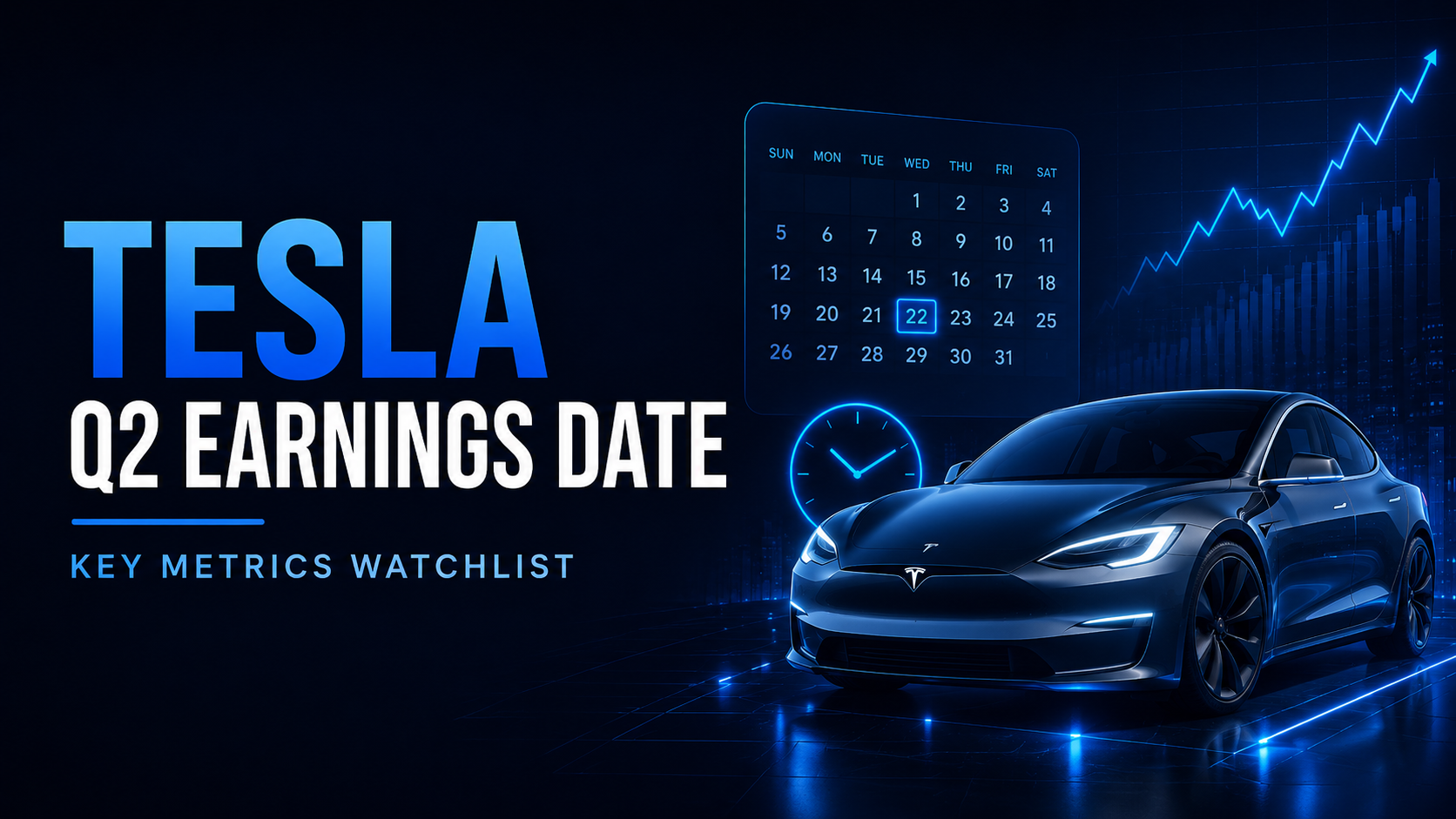
テスラ2026年第2四半期決算発表日:公開時間、ウェブキャスト、および主要指標
テスラの2026年第2四半期(Q2)決算報告は、2026年7月22日(水)の市場終了後に予定されています。経営陣は、米国中部時間午後4時30分 / 東部時間午後5時30分からライブのQ&Aウェブキャストを主催する予定です。第2四半期のアップデートとウェブキャストは、テスラのインベスター・リレーションズ(IR)ウェブサイトを通じて提供され、終了後にはアーカイブの再生が期待されています。
これは単なる通常のテスラの決算発表日ではありません。テスラはすでに予想を上回る納車実績を報告しています。2026年第2四半期において、同社は451,758台の車両を生産し、480,126台を納車、13.5 GWhのエネルギー貯蔵製品を展開しました。
トレーダーにとっての重要な疑問は、テスラがより多くの車両を納車したかどうかではありません。それはすでに知られています。本当の疑問は、その納車が十分に有益であったかどうか、エネルギー貯蔵の成長がテスラのより広いストーリーをサポートできるかどうか、そして経営陣がAI、自動運転、ロボタクシーへの投資が単なる「物語」から測定可能なビジネスの進歩へと移行していることを示せるかどうかです。
2026/07/06

Bitget、日本市場撤退へ 12月末に未決済ポジション強制決済
Bitgetが2026年8月3日に日本居住者向けサービス終了を発表。12月31日までに未決済ポジションを決済しないと強制決済されるため、資産保有者は期限までの対応が必要です。
2026/08/04

Mastercardが最大18億ドルでBVNKを買収完了—ステーブルコインがグローバル決済の中核に参入
2026/8/3、Mastercardは3月に取引を発表した後、ステーブルコインインフラプロバイダーのBVNKの買収を完了しました。
2026/08/04


関連コンテンツ
ホット
現在、市場で大きな注目を集めているトレンドの暗号資産
暗号資産価格
取引高が最も多い暗号資産