

Solana is moving closer to one of its most significant consensus upgrades yet, with Alpenglow now entering public-testnet testing. The upgrade targets transaction finality of roughly 150 milliseconds,Solana is moving closer to one of its most significant consensus upgrades yet, with Alpenglow now entering public-testnet testing. The upgrade targets transaction finality of roughly 150 milliseconds,
Solana Eyes 150ms Finality as It Pushes for Faster Crypto Payments

Solana is moving closer to one of its most significant consensus upgrades yet, with Alpenglow now entering public-testnet testing. The upgrade targets transaction finality of roughly 150 milliseconds, down from about 12.8 seconds today, potentially changing how quickly exchanges, merchants and payment platforms can treat blockchain transactions as irreversible.
The development is particularly important for crypto payments, where processing a transaction quickly is only part of the equation. Businesses also need confidence that a payment has reached irreversible finality before releasing goods, services or funds.
1.Solana’s 150ms Finality Target Explained
Solana already processes transactions rapidly, but execution speed and finality are not the same thing. A transaction can be confirmed relatively quickly while still requiring additional time before the network considers the underlying block fully irreversible. Solana’s current TowerBFT consensus system reaches full finality after votes accumulate across 32 slots, taking roughly 12.8 seconds.
Alpenglow is designed to change that process at the consensus layer. Instead of relying on the existing TowerBFT voting structure, the upgrade introduces Votor, allowing validators to communicate votes directly and potentially finalize blocks after one or two rounds. The result is a targeted finality time of around 150 milliseconds.
The distinction matters because 150ms does not mean every part of a crypto payment ecosystem will suddenly operate in 150 milliseconds. Wallet interfaces, exchanges, payment processors, compliance systems and fiat conversions can still introduce delays. What Alpenglow targets is the blockchain’s own settlement certainty.
2.Why Faster Finality Matters for Crypto Payments
For merchants, faster finality could make blockchain payments feel considerably closer to conventional digital transactions. A business accepting stablecoins does not simply need to see a transaction appear on-chain; it needs confidence that the payment cannot subsequently be reorganized or reversed at the network level. Reducing that uncertainty to a fraction of a second could make Solana more practical for point-of-sale and online payments.
The same principle applies to exchanges and financial platforms. Solana’s own enterprise documentation notes that exchanges and other infrastructure can use transaction confirmation and settlement events to trigger operational processes. Faster finality could therefore reduce the time between receiving an on-chain payment and crediting or releasing assets.
Stablecoins could be one of the clearest beneficiaries. Solana already supports major stablecoin payment rails including USDC, USDT, PYUSD and EURC, while its payment infrastructure supports fee-payer systems that can allow users to transact without separately holding SOL for transaction fees. Faster finality could strengthen the network’s appeal for these use cases.
3.Alpenglow Changes Consensus, Not How Users Transact
One important detail is that Alpenglow is not a complete redesign of Solana’s execution environment. Solana says the upgrade leaves the SVM, transactions, programs and fees unchanged. In practical terms, users are not expected to learn a new way of sending SOL or tokens simply because the consensus mechanism changes.
That distinction could be important for developers. If applications can benefit from faster finality without rebuilding their payment infrastructure from scratch, the upgrade may have a smoother path into existing wallets, exchanges and merchant systems. However, individual platforms will still decide how much confirmation time they require before treating a transaction as settled.
4.The Upgrade Is Still Being Tested
Despite the headline-grabbing 150ms target, Alpenglow is not yet a live mainnet feature as of September 23. Developers have begun moving the upgrade onto Solana’s public testnet, where validators can test the new consensus system under conditions that more closely resemble the production network.
Validators participating in the migration need the Agave 4.3 software release. The testing process is important because a consensus upgrade has to coordinate a large network of independent validators, infrastructure providers and applications. Solana has already tested Alpenglow on a dedicated environment before moving toward broader public testing.
The timeline should therefore be treated carefully. A September 28 date has appeared as a tentative milestone for enabling Agave 4.3 features on mainnet, but that does not represent a confirmed Alpenglow launch date. Solana’s own upgrade tracker currently lists Alpenglow as still in development, with roughly 150ms remaining a target rather than a demonstrated mainnet performance figure.
5.Could 150ms Change Solana’s Payment Role?
If Alpenglow reaches its target reliably, the biggest change may be less about making Solana transactions “faster” and more about making blockchain settlement feel less noticeable. A merchant could potentially receive irreversible payment confirmation almost immediately, while exchanges and financial applications could shorten internal settlement windows.
It could also strengthen Solana’s position in competition for stablecoin payments and other high-frequency financial applications.
Conclusion
Solana’s Alpenglow upgrade represents a major attempt to push blockchain finality into sub-second territory. Its roughly 150ms target would represent a dramatic reduction from today’s approximately 12.8-second full-finality window.
For payments, that could matter more than raw transaction throughput. If the upgrade performs as intended on mainnet, Solana could offer businesses a faster settlement layer for stablecoins, exchanges and other financial applications. For now, however, the technology remains in testing, making the public-testnet rollout the key milestone to watch.
FAQs
Q1:What is Solana’s Alpenglow upgrade?
Alpenglow is Solana’s upcoming consensus upgrade designed to replace TowerBFT and target transaction finality of around 150 milliseconds.
Q2:Is Solana already achieving 150ms finality?
No. As of September 23, 2026, Alpenglow is being tested on Solana’s public testnet. The 150ms figure is a target for the upgraded network.
Q3:Why does finality matter for crypto payments?
Finality tells merchants, exchanges and other platforms when a transaction can be treated as irreversible. Faster finality can reduce settlement waiting times and associated operational risk.
Q4:Will Alpenglow change how users send Solana transactions?
The upgrade is designed to change Solana’s consensus mechanism rather than its execution environment. Solana says the SVM, transactions, programs and fees remain unchanged.
Disclaimer: This article is for informational purposes only and does not constitute financial or investment advice. Network upgrade timelines and technical targets can change during testing and deployment.
市場の機会
Notcoin価格(NOT)
$0.0004966
$0.0004966$0.0004966
USD
Notcoin (NOT) ライブ価格チャート
このページで共有されている記事は公開プラットフォームから収集したものであり、参考情報としてのみ提供されています。MEXCの立場や見解を代表するものではありません。すべての権利は Mubashir に帰属します。第三者の権利を侵害するコンテンツがあると思われる場合は、service@support.mexc.com までご連絡いただければ速やかに削除いたします。MEXCはいかなるコンテンツの正確性、完全性、適時性も保証せず、提供された情報に基づいて取られたいかなる行動についても責任を負いません。本コンテンツは、金融、法律、またはその他の専門的なアドバイスを構成するものではなく、MEXCによる推奨または支持として解釈されるべきものでもありません。専門家の洞察と詳細な分析については、MEXC 学ぶ をご覧ください。
Notcoin の最新情報
もっと見る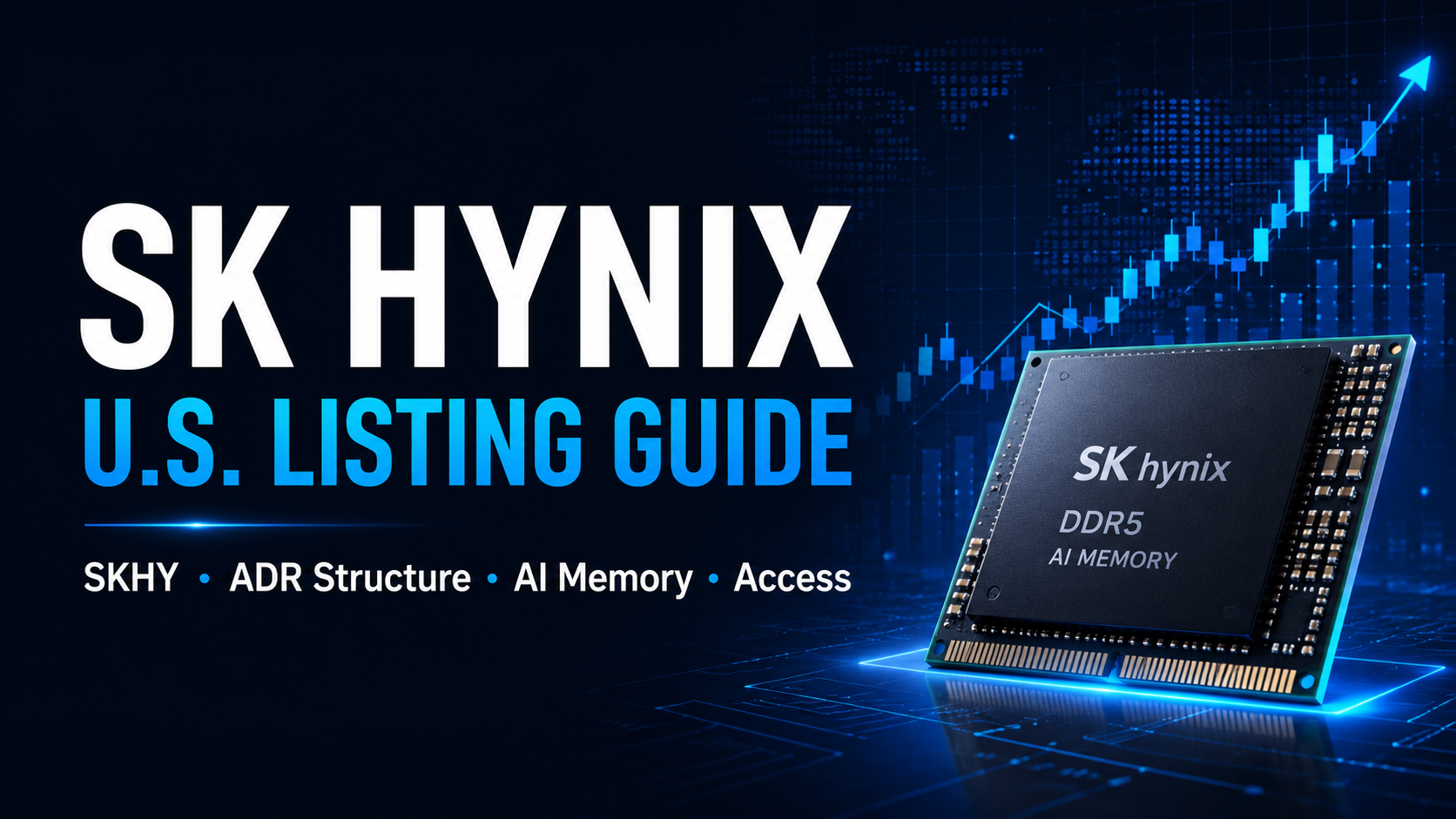
SKハイニックス米国上場ガイド:SKHY上場日、ADRの仕組み、AIメモリへのエクスポージャー、MEXCでのアクセス
SKハイニックス(SK Hynix)は米国市場デビューに向けて前進しており、世界の投資家に対し、AIメモリサプライチェーンで最も重要な企業の1つにアクセスする新たな手段を提供しようとしています。この韓国の半導体メーカーは、SKHYのティッカーシンボル(予想)で、ナスダックでの米国預託証券(ADR)を通じた大規模な米国株式売出を開始しました。
ロイター通信によると、SKハイニックスはこのADR発行を通じて約43兆ウォン(約280億7000万ドル)の資金調達を目指しています。同社は1779万株の新株を発行する計画で、10ADRが普通株式1株に相当します。最終的な価格決定は7月9日に予定されており、ナスダックでの取引デビューは7月10日と予想されています。
この上場が重要な理由は、SKハイニックスが単に米国市場へのアクセスを求める一般的な外国企業ではないからです。同社は、AIアクセラレーターや最新のデータセンターインフラの動力源となる重要なコンポーネント、広帯域メモリ(HBM)の世界的なトップサプライヤーの1つです。米国上場の目的は、SKハイニックスの投資家層を拡大し、米国機関投資家の取引アクセスを改善し、市場がこのAIメモリのリーダーに対して高い流動性プレミアムを付与するかどうかを試すことにあります。
同時に、投資家はこの上場をリスクのないAIアクセスイベントとして扱うべきではありません。今回のオファリングは新株発行を伴うものであり、AI主導のメモリ株の大幅な上昇の後に行われ、さらに市場が設備投資(Capex)、生産能力の拡大、そして将来のメモリサイクルの反転リスクに極めて敏感になっている時期と重なっています。
2026/07/08
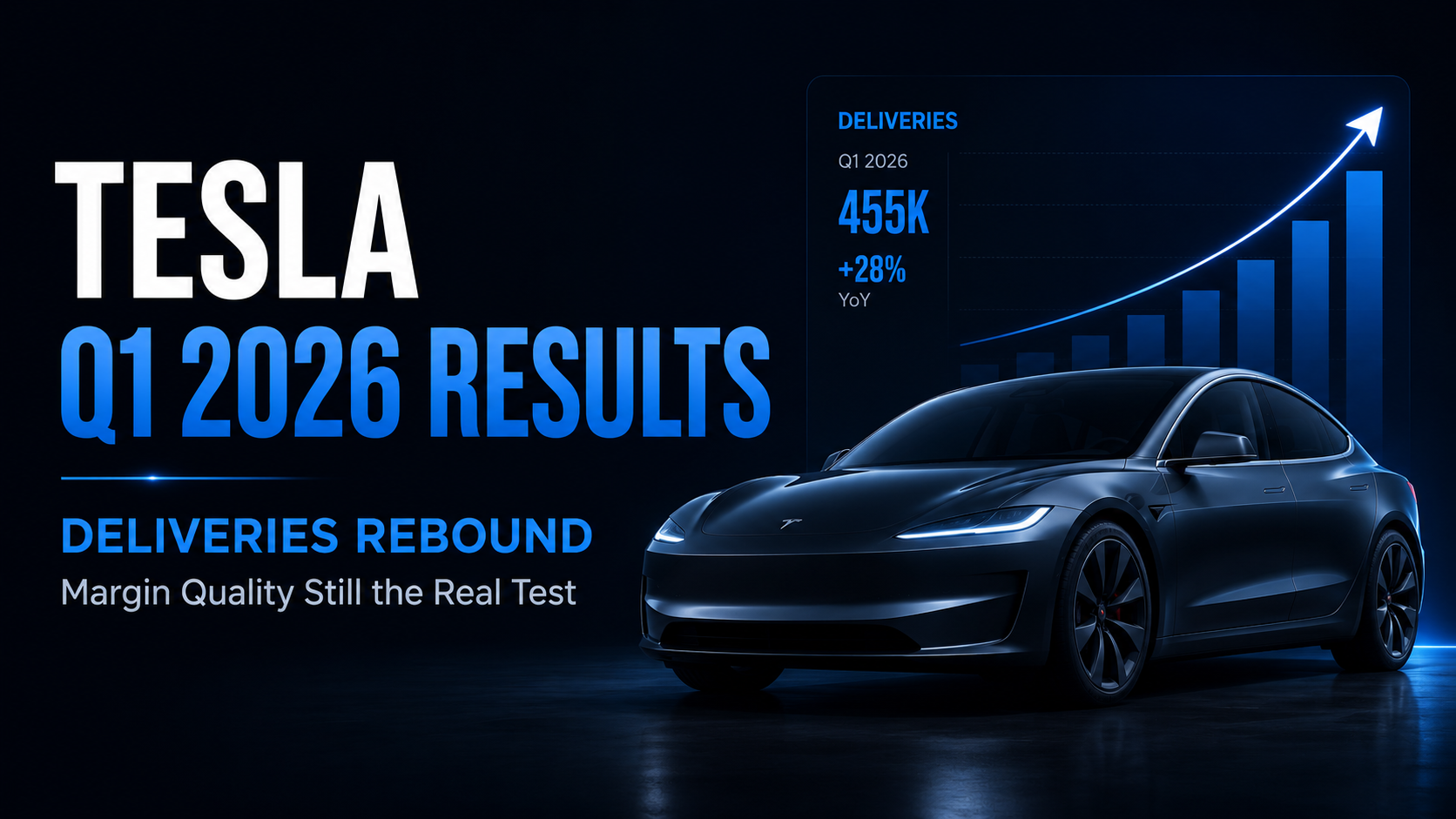
テスラ2026年第1四半期決算レビュー:納車台数は回復したが、真の課題は利益率の質
テスラは、2026年4月22日の米国市場閉場後に2026年第1四半期(Q1)の財務結果を発表しました。同四半期の納車台数は358,023台、総売上高は224億ドル、普通株主に帰属するGAAPベースの純利益は4億7,700万ドルを記録しました。全体のGAAP粗利益率は21.1%に改善し、営業利益率は4.2%に達しました。
ヘッドラインのシグナルは、テスラの納車台数が前年同期の弱い水準から単に回復したことだけではありません。より重要な疑問は、納車台数の増加、FSD関連の収益、車両コストの低下、および自動車部門の粗利益率の改善が、テスラの収益力に対する信頼を再構築できるかどうかです。次回のTSLA決算日を注目している投資家にとって、Q1はQ2に向けた重要なテストの場を提供しています。すなわち、販売台数の成長が持続可能でより質の高い収益に転換できるかという点です。
2026/07/09
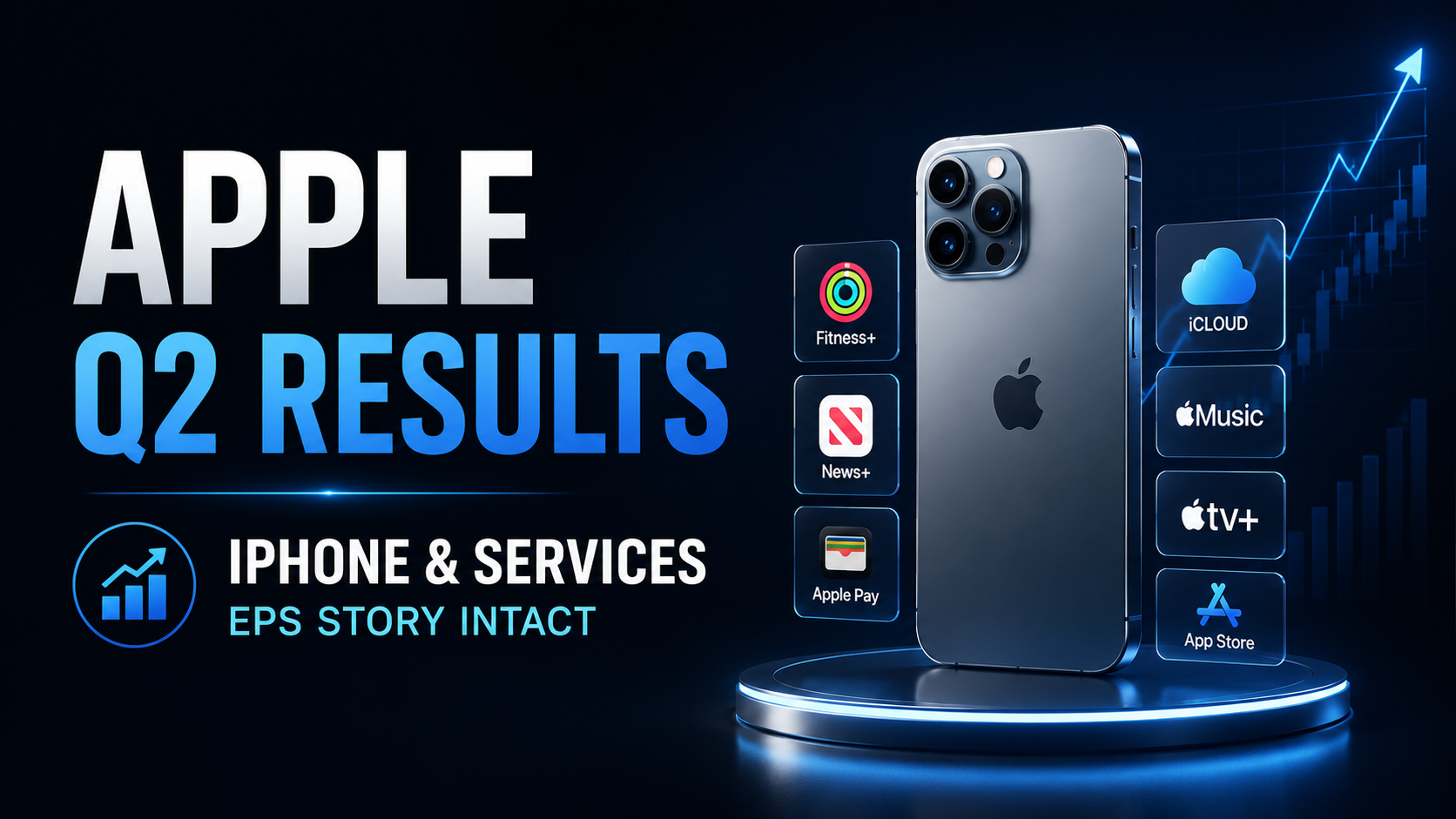
Apple 2026年度第2四半期決算レビュー:iPhoneの収益とサービスの成長がEPSのストーリーを維持
Appleは2026年4月30日、2026年3月28日に終了した四半期を対象とする2026年度第2四半期決算を発表しました。売上高は前年同期比17%増の1,112億ドルに達し、希薄化後1株当たり利益(EPS)は22%増の2.01ドルとなりました。Appleによると、当四半期は会社全体の総売上高、iPhone売上高、およびEPSにおいて3月期としての過去最高記録を樹立し、サービス部門の売上高も過去最高を更新しました。
この結果は、単なるハードウェアサイクルの決算報告に留まりません。Appleの第2四半期実績は、iPhone需要、サービス部門の成長、そして株主還元プログラムが三位一体となり、同社の力強いEPS成長ストーリーを強固に支え続けていることを実証しました。Appleの決算発表、AAPLの業績、あるいは次の決算発表時期を追う投資家にとって、第2四半期後の最大の焦点は、市場がより強力なAIの進展や製品サイクルの起爆剤を待つ間、Appleがそのプレミアムなバリュエーションを維持し防衛できるかどうかにあります。
2026/07/09


関連コンテンツ
ホット
現在、市場で大きな注目を集めているトレンドの暗号資産
暗号資産価格
取引高が最も多い暗号資産